Scientists notice strange change in astronaut's minds after trips to the ISS that only returns to normal when they get back to Earth


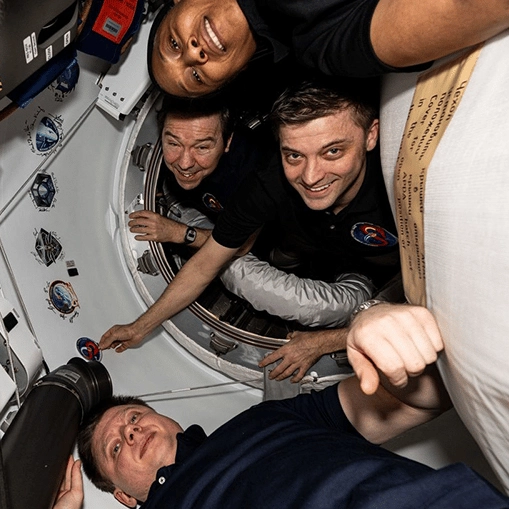
There's so much that we don't know about space, but scientists have recently noticed strange changes in the minds of astronauts when visiting the International Space Station, and it only gets back to normal once they return to Earth.
The health effects of journeying to space have been well documented, as only recently we've seen astronauts strangely admitted to hospital and show concerning signs of health deterioration while stationed at the International Space Station (ISS).
The frustrating aspect of many of these issues is that they're either unexplainable or unavoidable, leaving astronauts and agencies like NASA unable to avoid the potentially effects of space travel.
Advert
This has been shown once again in new research that points to a temporary deterioration of brain activity in astronauts who are visiting the International Space Station, which gives concern over how these trips can potentially affect their long-term health.
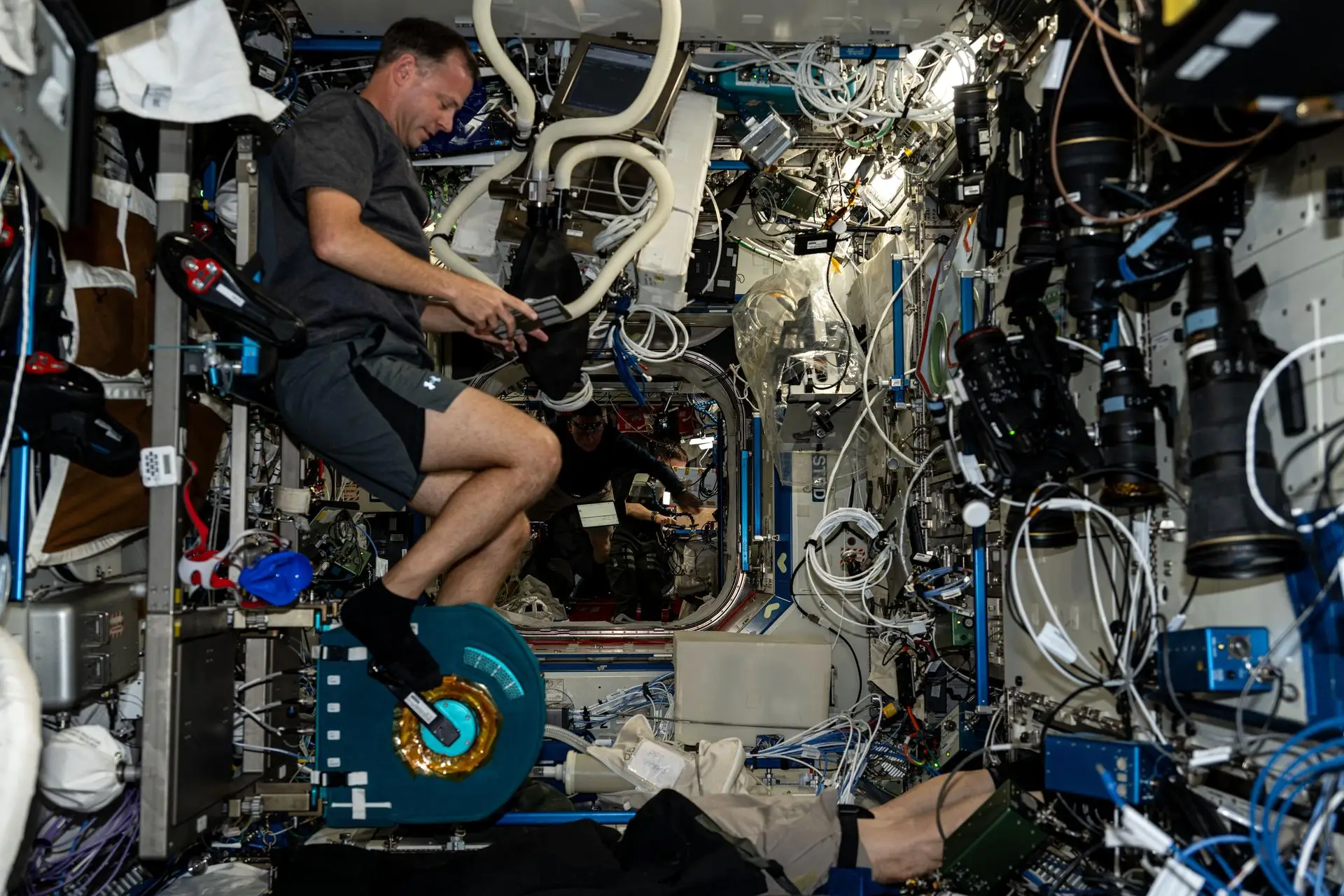
As reported by the Sun, a study which analyzed astronauts that have spent an average of six months on the ISS showed a temporary slowing of 'cognitive performance' that often only resolved when returning back to Earth.
25 astronauts were analyzed as part of this research, and they were put through various tests in stages prior to, in the early and late stages, and then 10 and 30 days following their space mission.
The results showed differences in speed and accuracy, with particular focus paid on the attention and working memory of participants.
The study, published in Frontiers in Physiology, detailed: "There was slowed performance in the early flight on tasks of processing speed, visual working memory, and sustained attention," adding that the study also "observed a decreased in risk-taking propensity during late flight and post-flight mission phases."
What perhaps remains most promising though is that these effects did not stay with the test subjects in the long-term, and the astronauts showed no signs of permanent degradation to their cognitive performance.
One researcher at NASA's Behavioral Health and Performance Laboratory, Dr. Sheena Dev, detailed that: "Living and working in space was not associated with widespread cognitive impairment that would be suggestive of significant brain damage," which is definitely a relief to hear.
While these effects do remain difficult for scientists to explain, many have pointed to stress as a leading cause - especially considering that the astronauts typically revert to the norm when back on Earth.
It could, of course, be a whole manner of contrasting things considering how different of an environment space is to our life here on Earth, but stress is known as a factor that can affect "processing speed, working memory, and attention."
From an outside perspective it's something that grounds those who are capable of doing what many deem as the impossible and exploring space, proving that they're only human too.