Mind-blowing reason you never see stars in photographs of space


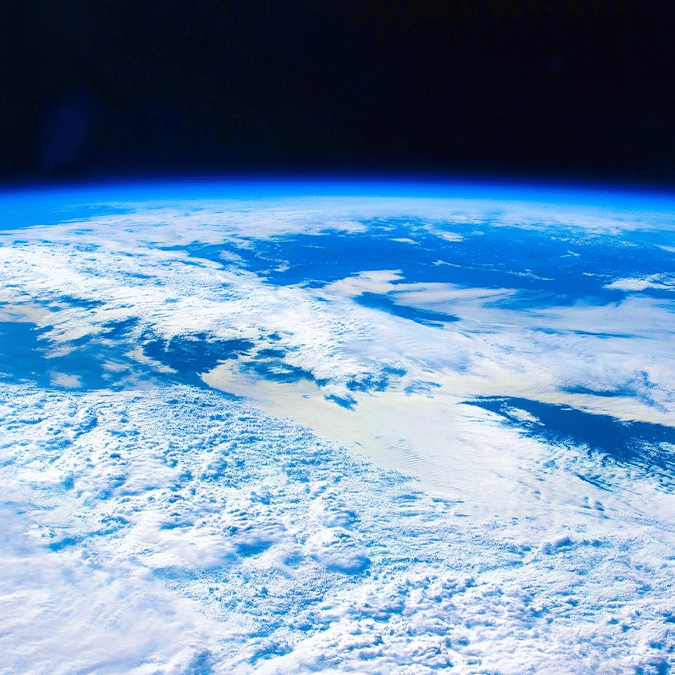
It's something that you might not have even noticed but it's staggering once you realize that most photographs taken of space are absent of stars, despite them filling the night sky whenever we look up on Earth.
They're a defining feature of the world outside our own, and what many strive to reach when dreaming of space exploration, yet they seem to simply disappear whenever astronauts take photos or even simply look out into the endlessness of space themselves.
This has led some to come up with wild conspiracy theories, speculating that stars don't actually exist and the night sky is all just one big complex simulation, yet the actual explanation is much simpler and straightforward than that - and space YouTuber AstroKobi has kindly broken it down for us all.
Advert
It's a problem that splits itself in two between the process of photographing and the process of seeing - but the answer is actually largely the same between the two.
Starting with photography, it's simply a case of exposure, which you'll quickly understand if you know a thing or two about cameras.
Cameras, both in their older film and current digital formats, create images by exposing the celluloid or digital sensor to light. That's why shutter speed and aperture are vitally important to taking a good photograph, as they let you control how much light the image receives, illuminating the subject.
The trouble with space photography then is that human subjects or planets are exposed to far more light than stars, and thus require far less light to be exposed to the sensor in order to be seen.
While you can very well take pictures of stars while in space, they require a far longer exposure time that would leave images of typical subjects far too bright.
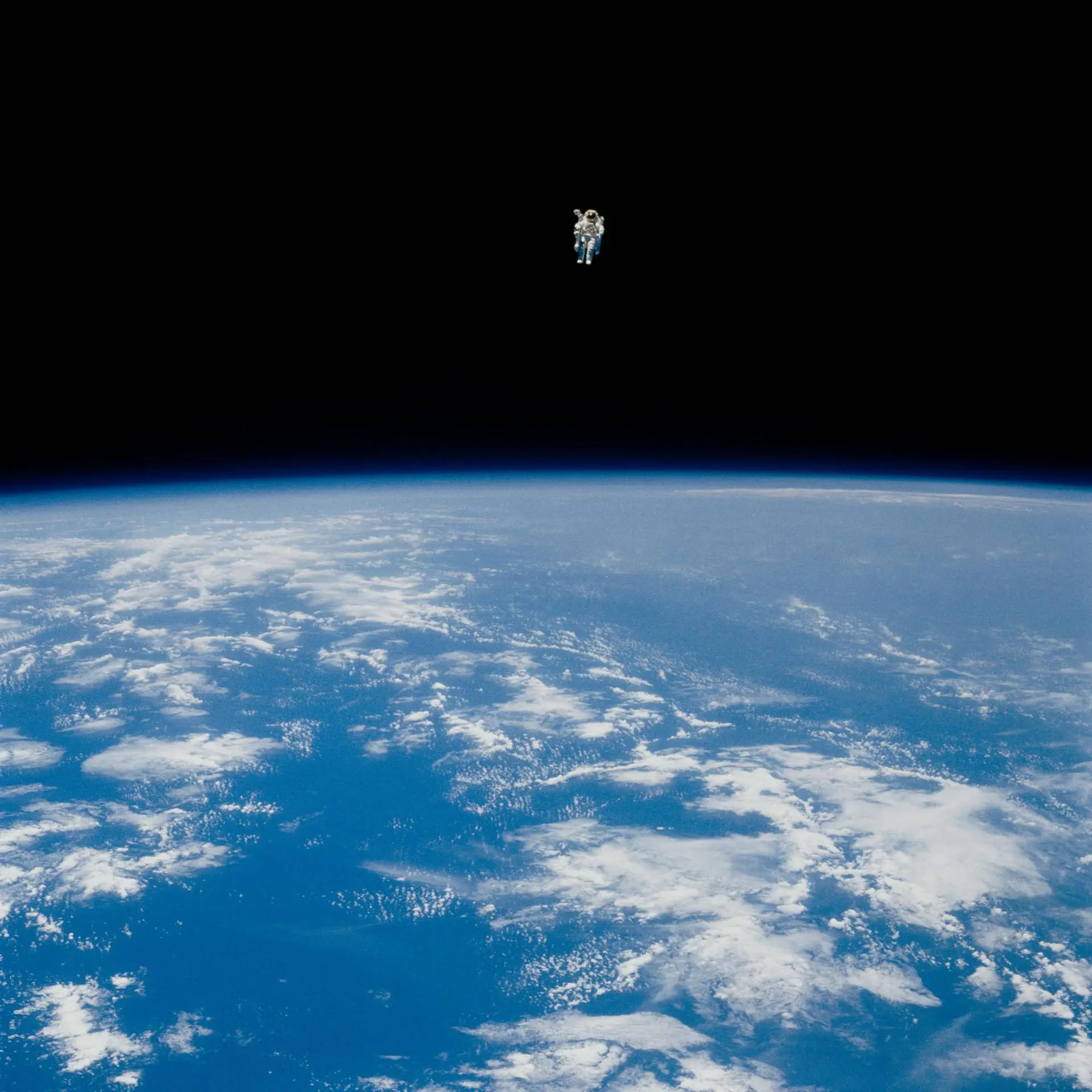
This results in almost endless black skies in the backdrop of any pictures, leading you to wonder where exactly the stars have gone - only they've not 'gone' anywhere, the camera simply hasn't been exposed to enough light in order to see them.
The same is largely true for your eyes too, as they function in a similar fashion to cameras in a sense. In bright conditions your pupils contract in order to let less light in so that you can see, whereas in darker areas they expand, letting in as much light as possible.
When astronauts are in the vicinity of the Sun it's almost always going to be too bright in order for your eyes to let in enough light to see the stars, and it's only when you find yourself in a dark environment like in the shadow of a shuttle or a crater at the Moon's south pole will you begin to see the stars above you.
It's the same reason why it's become increasingly difficult to see the stars in metropolitan areas, as the light pollution ensures that your eyes can never let in enough light to see them in the sky.