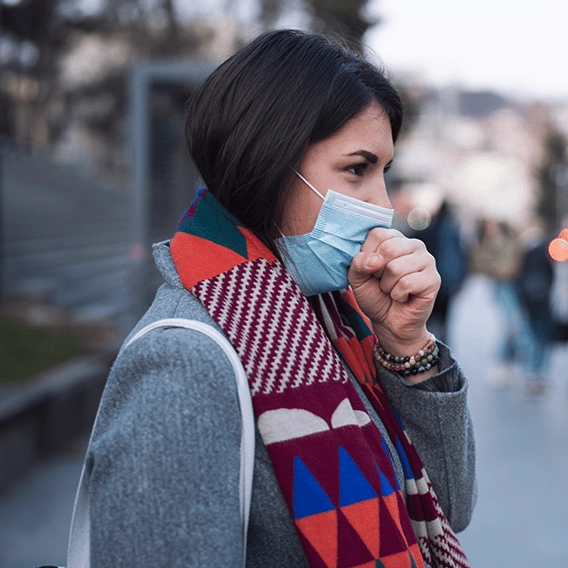
What you need to know about HMPV as the virus outbreak surges across China


There has been a reported increase in cases of human metapneumovirus (HMPV) in China, and many are worried about the affects of this illness on the wider world.
Finding out that there is an outbreak of a respiratory illness in China around the start of the year is something that's bound to bring back bad memories for most people on Earth as it's hard not to draw comparisons to the initial COVID-19 outbreak in 2020.
The devastating effects of COVID-19 are something that many are hoping to never encounter again in their lifetimes, so it's understandable that increased reports of respiratory-based illnesses can strike fear into anyone.
Advert
Thankfully any worries have largely been quashed by the World Health Organization (WHO), Centers for Disease Control and Prevention (CDC), and other major leading health branches across the world.
As reported by ABC News, this outbreak of HMPV is not only not out of the ordinary, but it is actually lower compared to numbers from the previous year in China.
"The overall scale and intensity of respiratory infectious diseases in China this year are lower than last year," outlines a spokesperson from WHO, and the CDC has outlined in a statement that HMPV is "not currently a cause for concern in the US."
Cases of HMPV have indeed been increasing in the US, with CDC data indicating 1.94% of weekly positive tests for HMPV, but this pales in comparison to other respiratory diseases like influenza (18.71%) and COVID-19 (7.10%).
Key scientists indicate that the rise in cases is simply due to the increased exposure that people are subject to at this time of year due to the fact that people spend more time in close proximity to one another, making it easy for viruses like HMPV to transfer.
HMPV currently has an incubation period of around three to six days, with symptoms including coughing, nasal congestion, fever, and shortness of breath.
It poses a greater risk to those who have not contracted the virus before - which is most likely young children - and anyone who is immunocompromised or elderly is also at a greater risk if infected.
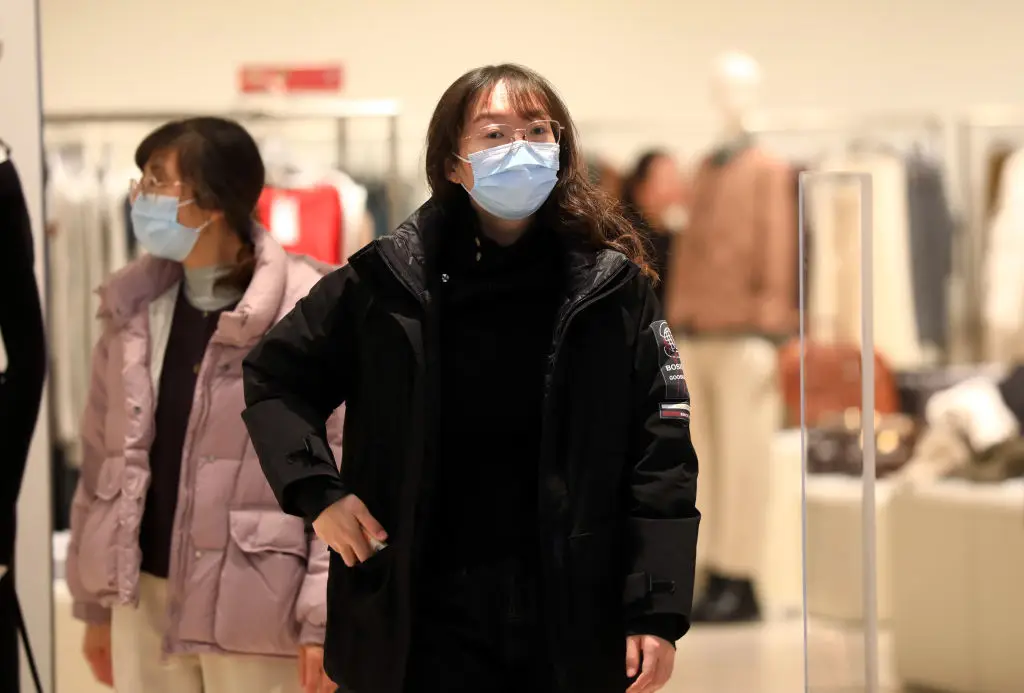
Like COVID, HMPV is transferred both airborne and by touch, with coughs and sneezes being the most common way for the virus to spread. There is no vaccine to prevent or lower the chances of infection, so the best way you can avoid it is to ensure that you're always washing your hands with soap and staying away from anyone exhibiting the symptoms listed above.
Additionally, if you think that you might have contracted HMPV, it's best to stay at home whenever possible, and if you do need to go out then wearing a mask and ensuring that your mouth and nose are covered when coughing/sneezing is essential.
Dr. Peter Chin-Hong, infectious diseases specialist at the University of California, has outlined that while HMPV is not commonly dangerous on its own, it's major risk lies within co-infections.
"Sure, you can get serious disease from HMPV itself, but if you get HMPV plus pneumococcus or HMPV plus influenza or RSV, it could be much worse," Chin-Hong explains.
That's why it's so important to limit your exposure to any other potential illnesses if you think that you might have contracted HMPV, as it could get a lot more dangerous if you manage to catch something else on top.