Featured Image Credit: dzika_mrowka/Getty Images
Scientists have sounded the alarm as the sun has begun killing off Elon Musk’s Starlink satellites.
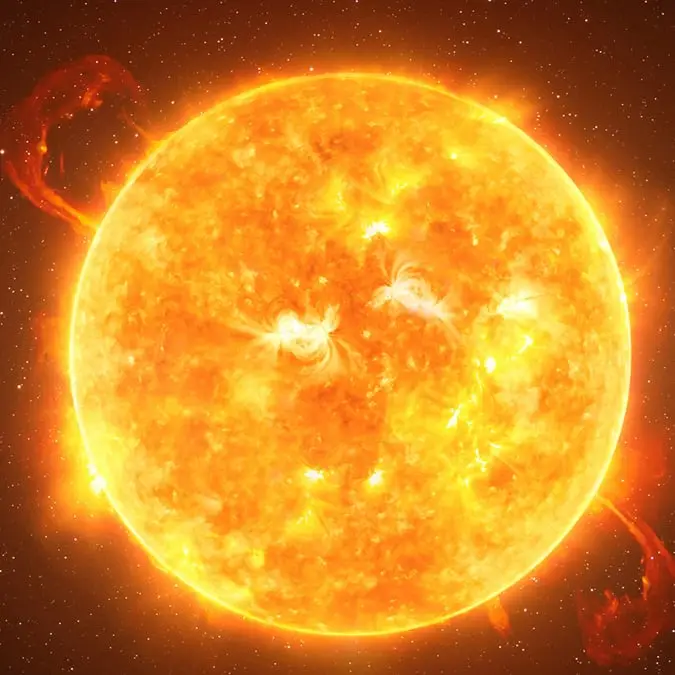
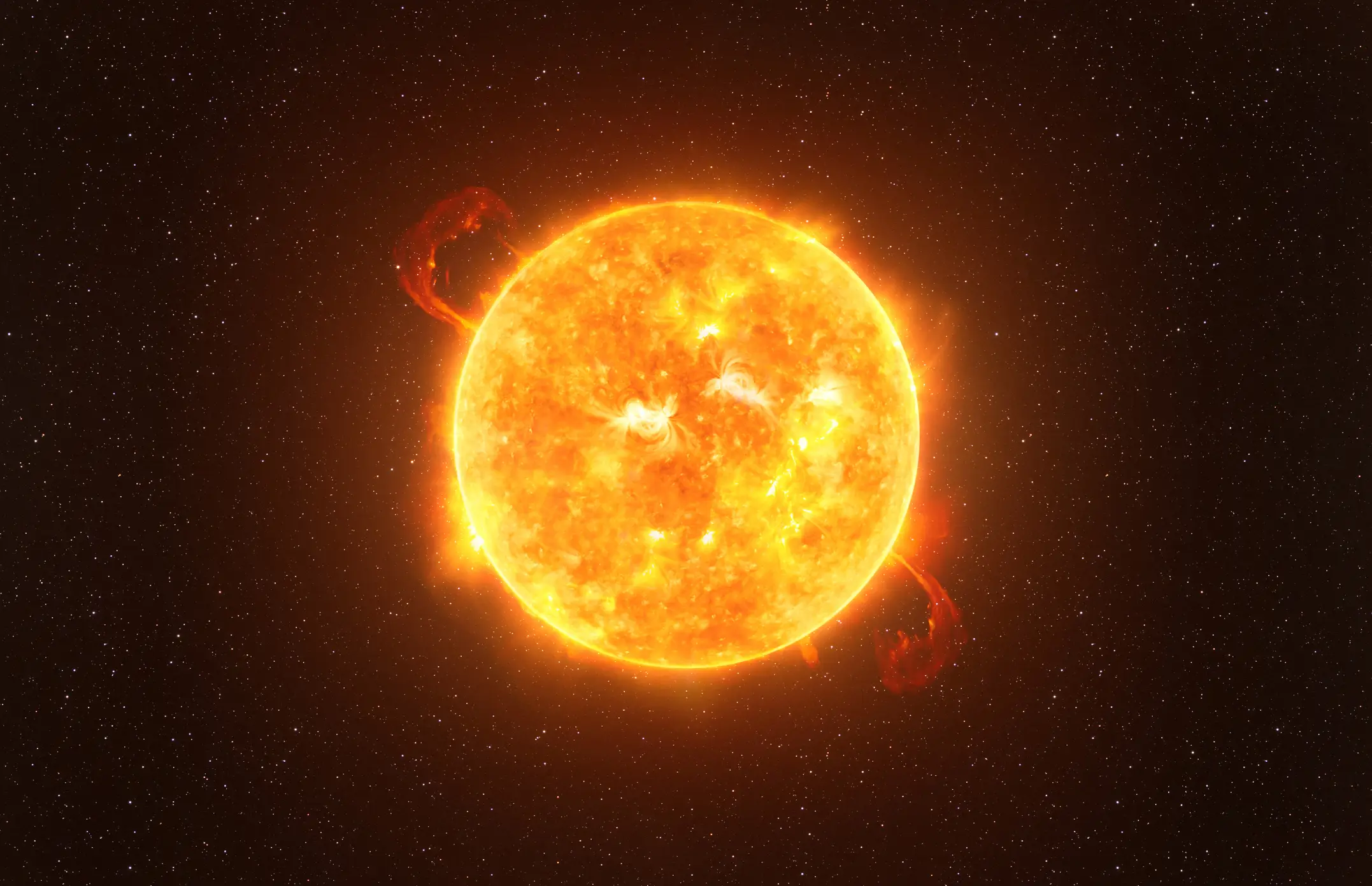
As the sun has reached its solar maximum, which is the peak of its 11-year cycle, we’ve been seeing a lot more activity from the sun.
The increased activity from the sun and its solar flares have caused geomagnetic storms on Earth, resulting in the northern and southern light displays.
It’s a particularly bumpy phase for magnetic activity, with each solar storm carrying the potential to be a little disruptive.
Advert
And it seems that the sun’s latest target is Musk’s satellites.
The solar storms are heating up the Earth’s atmosphere, which causes the planet to swell in size, resulting in an increased drag on the satellites that orbit around us.

Speaking to the NewScientist, Denny Oliveira from NASA’s Goddard Space Flight Center said: “We found that when we have geomagnetic storms, satellites re-enter faster than expected [without solar activity].”
Oliveira and his team analyzed how much of an impact this was having on Starlink and their research revealed that during solar maximum, satellites can see their lifetimes reduced by up to 10 days.
Oliveira went on to say: “It’s the first time in history we have so many satellites re-entering at the same time.
“In a few years, we will have satellites re-entering every day.”
This refers to satellites being brought back down into our atmosphere as the constellation gets replenished with new satellites.
Samantha Lawler, who is from the University of Regina in Canada, added: “This is the first solar maximum that we’ve had in the mega constellation era.”
And while these solar storms have impacted SpaceX satellites, it could also be beneficial to the firm, by encouraging it to remove dead satellites from orbit as soon as possible to avoid them posing any danger to other satellites in orbit.
It also means that quicker re-entries could result in satellites being more like to make it back to Earth without burning up completely.
Oliveira made the point, saying: “You could have a chance of an object reaching the ground.”
This was the case last year when a piece of a Starlink satellite weighing over 5 lbs was discovered on a farm in Saskatchewan, Canada, in August.
So far, it’s the only known piece of any satellite from Starlink to have survived re-entry.
Speaking about this part of Canada, Lawler added: “This is the easiest place in the world to find Starlink debris. If we found one [piece] here, how many did we miss?”