Space Agency is offering $5,000 to volunteers who'll stay in bed for 10 days straight


A space agency is offering up $5,000 to volunteers who will agree to stay in bed for 10 days straight.
It sounds like the dream job for a lot of busy people, getting to kick back and relax in bed for a week and a half. And it comes with a pretty great pay package too.
The European Space Agency (ESA) is offering people the chance to earn $5,000 (£4,100) just by lying down in bed.
Advert
The role will involve lying on a waterbed for 10 days as part of a new study and will be conducted at the Medes Space Clinic in Toulouse University Hospital.
The research is being done to replicate the effects of the human body in space in order to help scientists gain a better understanding of what happens to us when we spend time in orbit.
The ESA explained: “10 volunteers [will] lie down in containers similar to bathtubs covered with a waterproof fabric. This keeps them dry and evenly suspended in water.
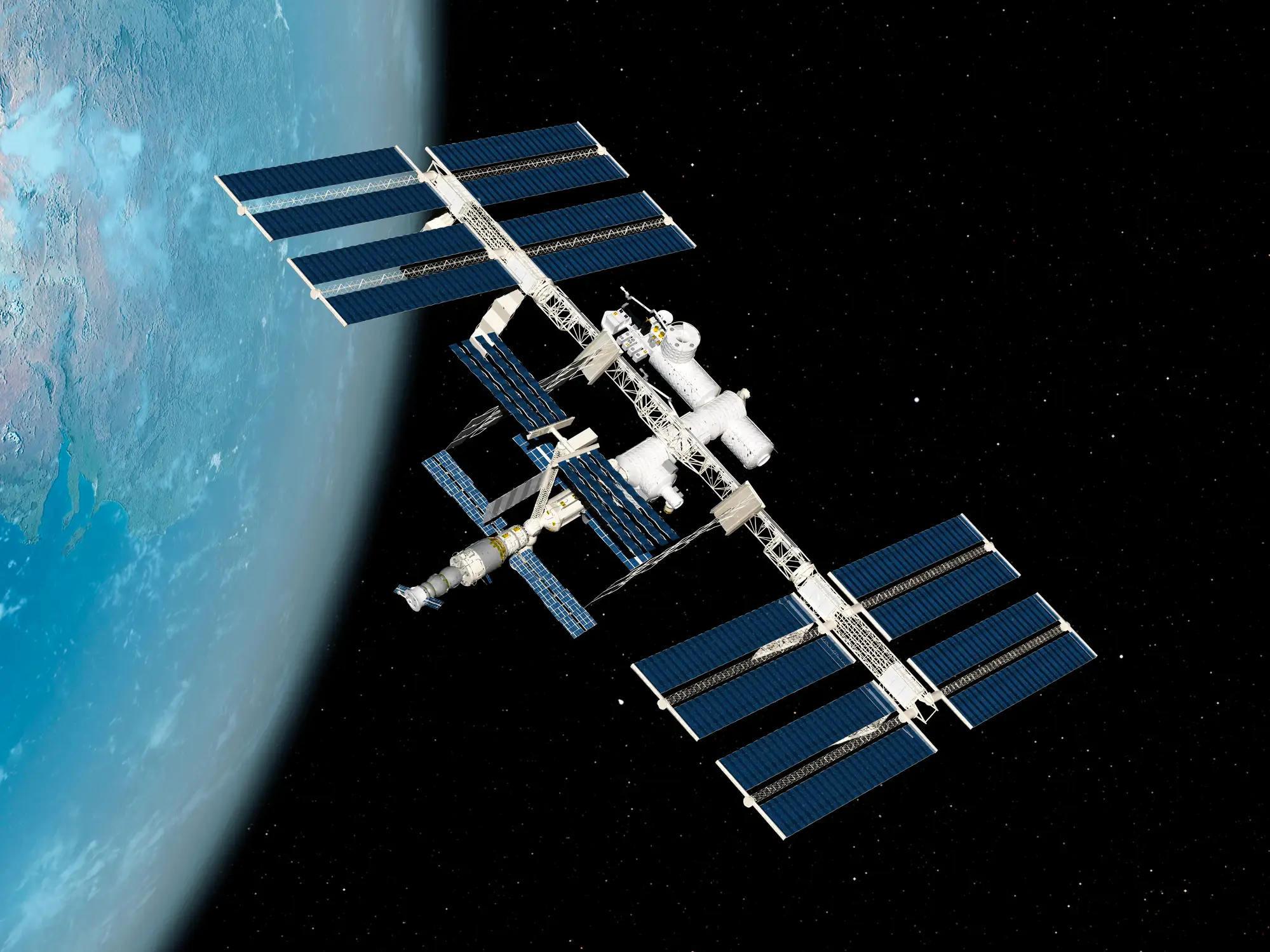
“Submerged to above the torso and keeping arms and head above water, participants experience a sensation of floating without physical support – something close to what astronauts feel while on the International Space Station.”
The space agency went on to explain how volunteers will go to the toilet during the experiment, adding: “For bathroom breaks, participants are temporarily transferred onto a trolley, maintaining their laid-back position at all times.”
However, it’s bad luck for any women who are hoping to cash in on the offer because the experiment is only open to men.
The ESA continued: “For the whole 10 days, volunteers remain in this position inside the containers filled with water.
“Participants take part in a wide range of medical experiments and scientific studies to help researchers understand how space affects the human body.
“During meals, they use a floating board and a neck pillow.”
And there are some pretty strict rules that volunteers will need to follow.
While they can make phone and video calls, they won’t be allowed to have any visitors during the experiment and they won’t be allowed to go outside for a full 21 days.
But it is all for a good cause, giving researchers more insight into how space travel impacts the human body.
The ESA said: “In weightlessness, astronauts’ bodies go through a wide array of changes due to lack of gravity – they lose muscle and bone density, the shape of their eye globes can change, and fluids shift to the brain.
“Dry immersion takes weight off the body, creating conditions similar to weightlessness.”
It added: “Results may also help design new treatments for patients bedridden for long periods of time, the elderly and those with musculoskeletal conditions”