
Featured Image Credit: Kirill Rudenko / Getty
In 2025, it feels like it's not simply a case of when the human race is going to die out, but how it will happen.
Away from emerging technologies like artificial intelligence and more futuristic weapons that would undoubtedly be used in mythical World War III, ther are also threats from outer space and fears about what extreme weather is on the way through climate change.
So-called mystics like Nostradamus and Baba Vanga have some pretty grim predictions for what's coming, but if you take the latter's word as gospel, the world won't end until the year 5079.
One of the most imminent threats is the 3I/ATLAS object that's hurtling toward our solar system and has left some scientists thinking it's our first real contact with aliens. NASA is keeping an eye on 3I/ATLAS, but apparently, that's not all we need to be worried about.
Advert
NASA isn't just occupied with trying to get us back on the Moon for the first time since 1972, with researchers from the National Aeronautics and Space Administration and Japan's Toho University supposedly working out when the world will end.
We can report that Baba Vanga's 5079 prediction could be way off the mark, but that might not be a bad thing. In a study titled "The future lifespan of Earth’s oxygenated atmosphere", researchers reiterate that the fate of us mere humans and the fate of the Earth directly correlate to the Sun. Apparently, the Sun will continue to expand over billions of years, and with it, Earth will become a scorching wasteland.
There have been alarming reports that global warming is accelerating beyond our control, and with it, 70% of the population is tipped to be hit by extreme weather conditions in the next 20 years. A NASA supercomputer has run 400,000 simulations that claim Earth will be uninhabitable by the year 1,000,002,021. Well, at least we'll have plenty of time to pack.
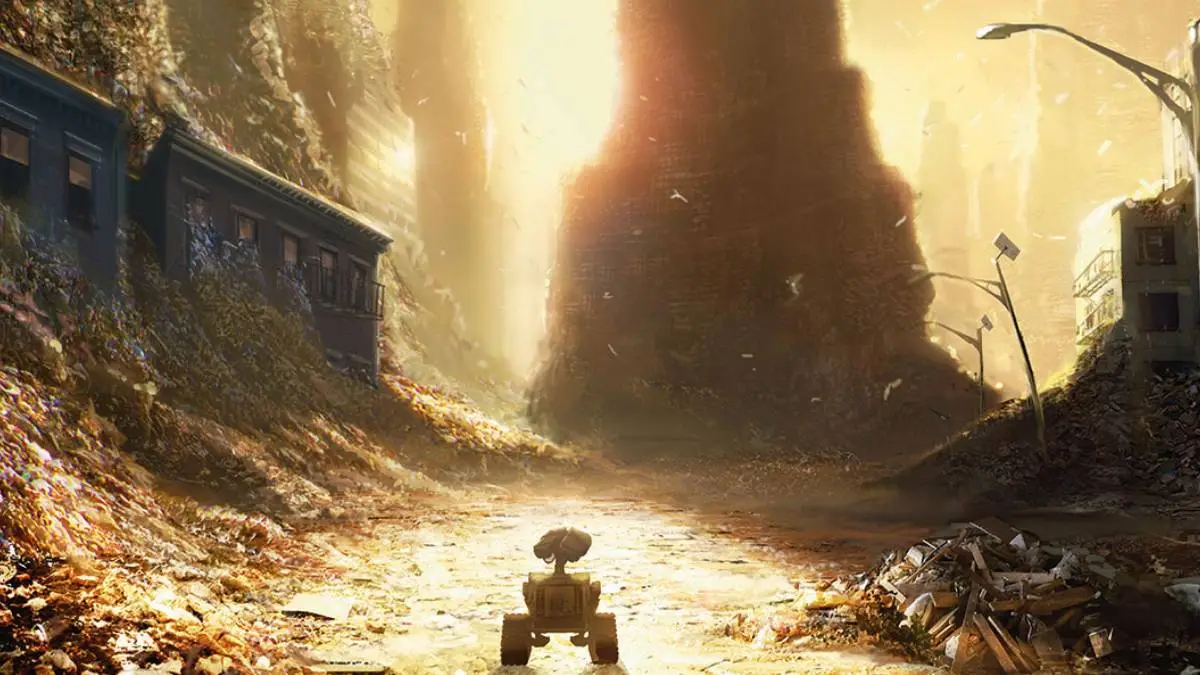
Many movies have predicted a future where the human race will be forced to abandon Earth, with everything from WALL-E to Alien: Resurrection playing out this scenario
The researchers state that even the most resilient microorganisms won't be able to survive Earth in the year 1,000,002,021. Our oceans will have evaporated, the atmosphere will become thinner, and surface temperatures will make it impossible for any form of life to exist.
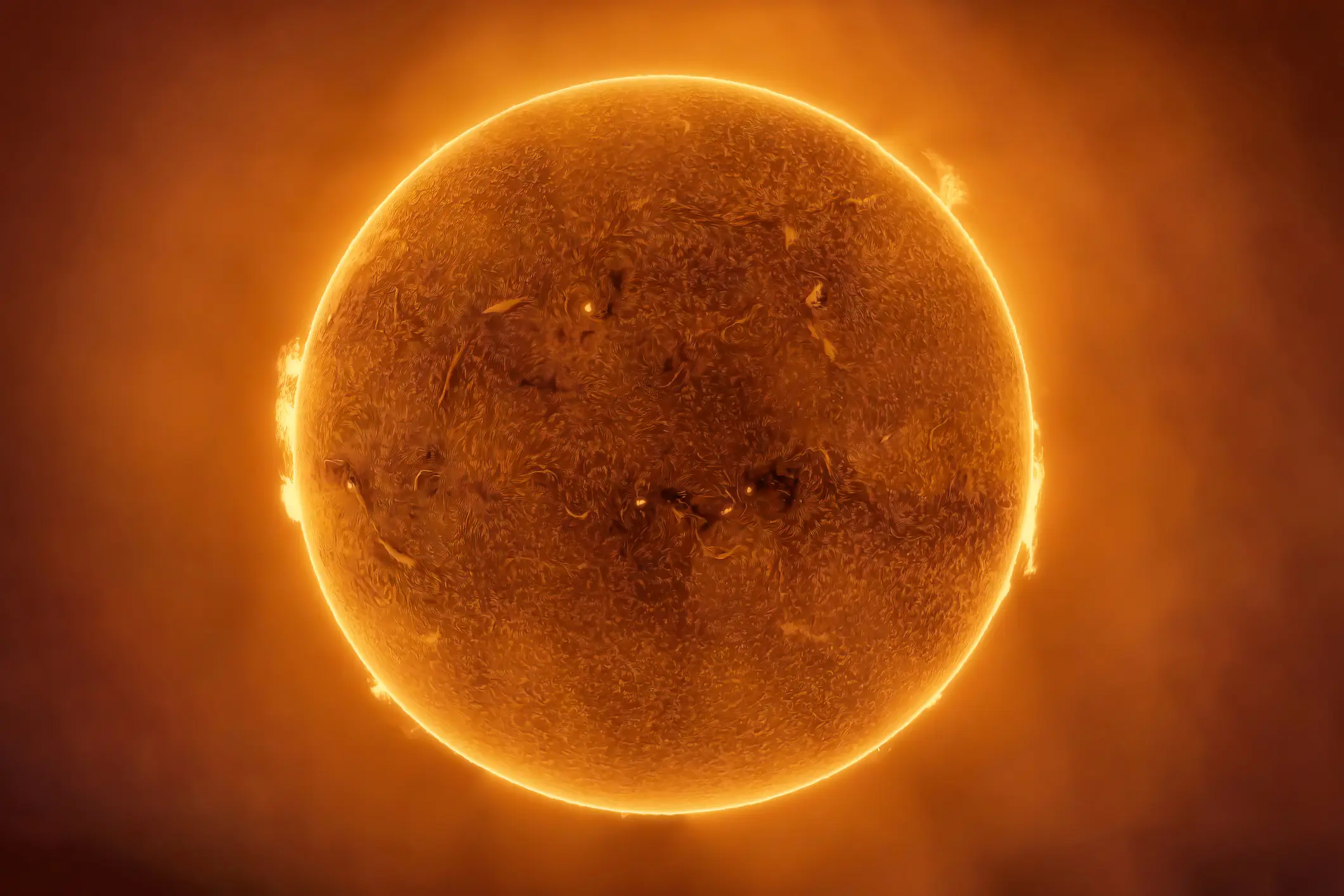
Things are set to go to the dogs long before them, as the human race is predicted to end much sooner than this. Intensifying radiation from the ever-expanding Sun seems destined to eradicate Homo sapiens (or whatever we evolve into) by triggering atmospheric and environmental changes.
The simulations have modelled soaring temperatures, plummeting oxygen levels, and an increasingly hostile air quality.
Researchers suggest there are already signs of this in action, such as coronal mass ejections and solar storms marking an increase in solar activity. These are said to disturb Earth’s magnetic field and thin out atmospheric oxygen.
Combine this with human-caused climate change, accelerated ice melt, and soaring global temperatures, and it looks like we're on an inevitable path to extinction.
Painting a pretty glum picture, lead author Kazumi Ozaki explained: "For many years, the lifespan of Earth’s biosphere has been discussed based on the steady brightening of the Sun."
Ozaki previously thought we had about two billion years left, but with newer models cutting that in half, the clock is ticking: "If true. One can expect atmospheric O₂ levels will also eventually decrease in the distant future."
Thankfully, unless you're planning on having your body cryogenically frozen, we'll all be long gone by then.