uniladtech homepage
  • News
    • Tech News
    • AI
  • Gadgets
    • Apple
    • iPhone
  • Gaming
    • Playstation
    • Xbox
  • Science
    • News
    • Space
  • Streaming
    • Netflix
  • Vehicles
    • Car News
  • Social Media
    • WhatsApp
    • YouTube
  • Advertise
  • Terms
  • Privacy & Cookies
  • LADbible Group
  • LADbible
  • UNILAD
  • SPORTbible
  • GAMINGbible
  • Tyla
  • FOODbible
  • License Our Content
  • About Us & Contact
  • Jobs
  • Latest
  • Topics A-Z
  • Authors
Facebook
Instagram
X
TikTok
Snapchat
WhatsApp
Submit Your Content
Fascinating video shows how close Earth is to becoming a Kardashev Type 1 civilization

Home> Science> Space

Published 15:51 11 Nov 2024 GMT

Fascinating video shows how close Earth is to becoming a Kardashev Type 1 civilization

First we'll need to be able to harness and use all available energy on the planet

Rikki Loftus

Rikki Loftus

google discoverFollow us on Google Discover
Featured Image Credit: fotograzia/Getty Images/YouTube/@pbsspacetime
Science
Space
Earth

Advert

Advert

Advert

A fascinating video shows just how close the Earth is to becoming a Kardashev Type 1 civilization.

The Kardashev scale is a way for us to measure a civilization’s level of technological advancement based on the amount of energy it’s capable of harnessing and using.

Its name is coined from the astronomer who invented it - Nikolai Kardashev.

Advert

He described Type 1 as a ‘technological level close to the level presently attained on the Earth’, Type 2 as ‘a civilization capable of harnessing the energy radiated by its own star’ and Type 3 as ‘a civilization in possession of energy on the scale of its own galaxy’.

While it might be tricky to imagine the magnitude of how much energy a civilization would need to use in order to achieve Kardashev Type 1, one video illustrates how it happens.

In the clip uploaded to YouTube by PBS Space Time, it shows just how close Earth is to becoming Type 1.

The video explains: “Imagine a world where humanity masters every planetary resource available to it—our first step on the famous Kardashev scale of technological advancement.

“How distant is that step? Will we even become a true Type-1 civilization, and how can we get there?”

Earth is currently around 0.7 on the scale and there are a few different ways for it to move to 1.
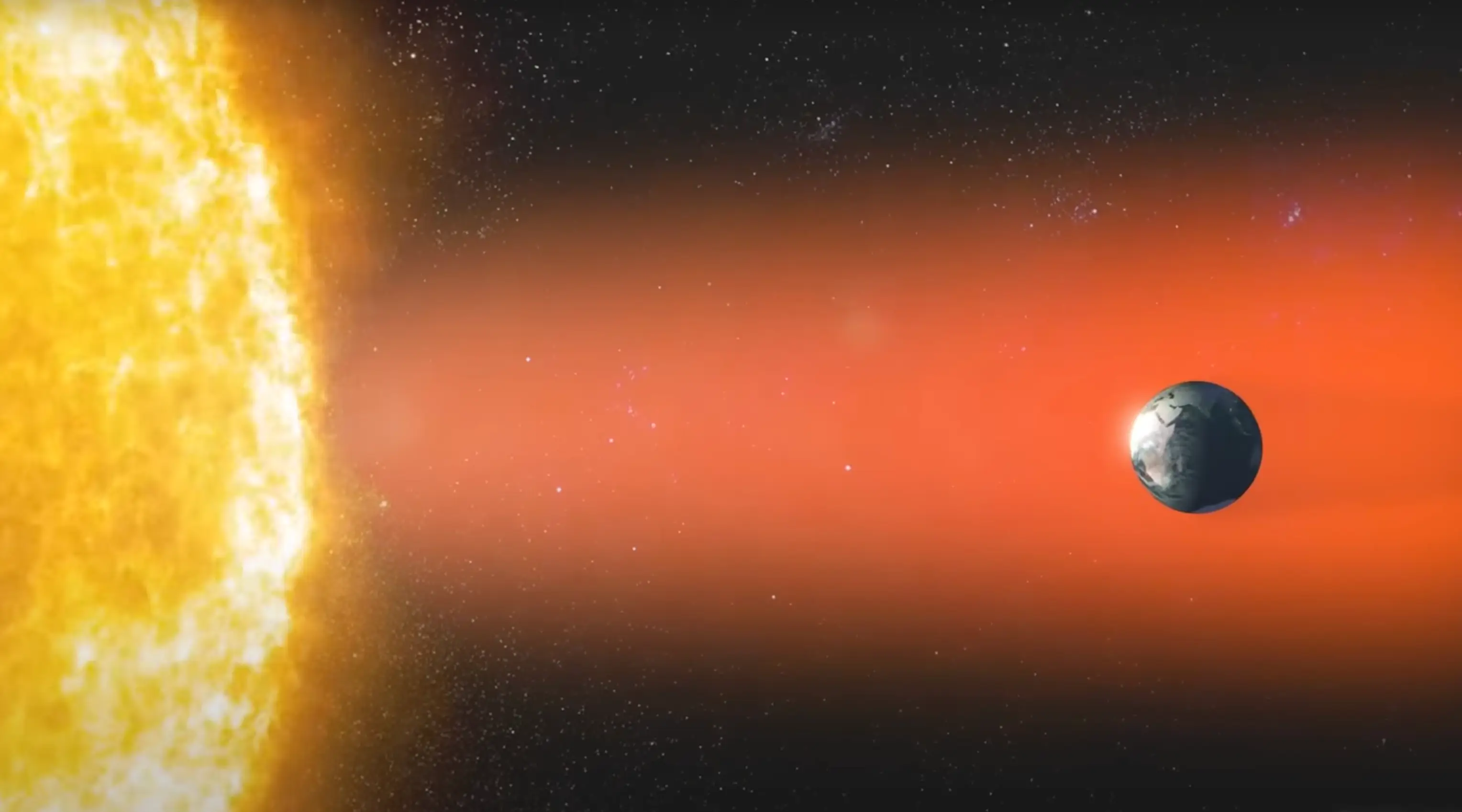
The video shows how close we are to achieving Type 1 (YouTube/@pbsspacetime)

The video details how harnessing solar power is the best avenue but the biggest problem we face is how to go about doing that.

Experts have estimated that we could reach Type 1 status within the next 100 to 200 years.

So while achieving Type 1 could mean optimistic things for our planet as it’ll mean that we’re able to collect and use all of the available energy we have, it could be a while before we achieve it.

Many viewers took to the YouTube comment section to share their own thoughts, with one user writing: “Given how wasteful we are with our limited resources, it is hard to see how we'll become a type 1 civilization anytime soon.

Another joked: “Honestly, building a moon base and super computer on the far side of the moon seems like a legitimately good idea.”

A third wrote: “NO....we will not achieve Kardashev level 1. It takes an intelligent civilization to achieve this level of expertise. I'm hoping we just don't destroy ourselves.”

And a fourth added: “Type-1? Half of us still think the Earth is flat.”

  • Scientists discover 'iron bar' that could show exactly how Earth will end
  • Scientists warn Earth is entering stage of 'unprecedented climate change' as we risk becoming irreversible 'hothouse'
  • Horrifying simulation exposes devastating effects if 3I/ATLAS collided with Earth
  • Map reveals cities most at risk from 1,100lb Soviet satellite travelling at 17,000mph towards Earth

Choose your content:

21 hours ago
2 days ago
  • Donaldson Collection / Contributor via Getty
    21 hours ago

    Why humanity hasn't been to the Moon in 52 years as Artemis program aims 2027 landing

    The wait might soon be over

    Science
  • NurPhoto / Contributor / Getty
    2 days ago

    How to watch NASA's historic Artemis 2 mission as astronauts head for the Moon for first time in decades

    You can follow every moment in real time

    Science
  • boonchai wedmakawand / Getty
    2 days ago

    Implementing these small lifestyle habits can seriously reduce risk of heart attack and stroke

    Small changes can make a big difference

    Science
  • SCIEPRO/SCIENCE PHOTO LIBRARY / Getty
    2 days ago

    Scientists discover bizarre thing that happens to semen in space

    Humanity's future beyond Earth might be compromised

    Science