Featured Image Credit: nopparit / Getty
While the idea of humans having a third eye sounds fitting for someone in the Marvel Cinematic Universe, it's not as wild as you think.
But the science behind it is real, and researchers believe they have finally pieced together why it is there.
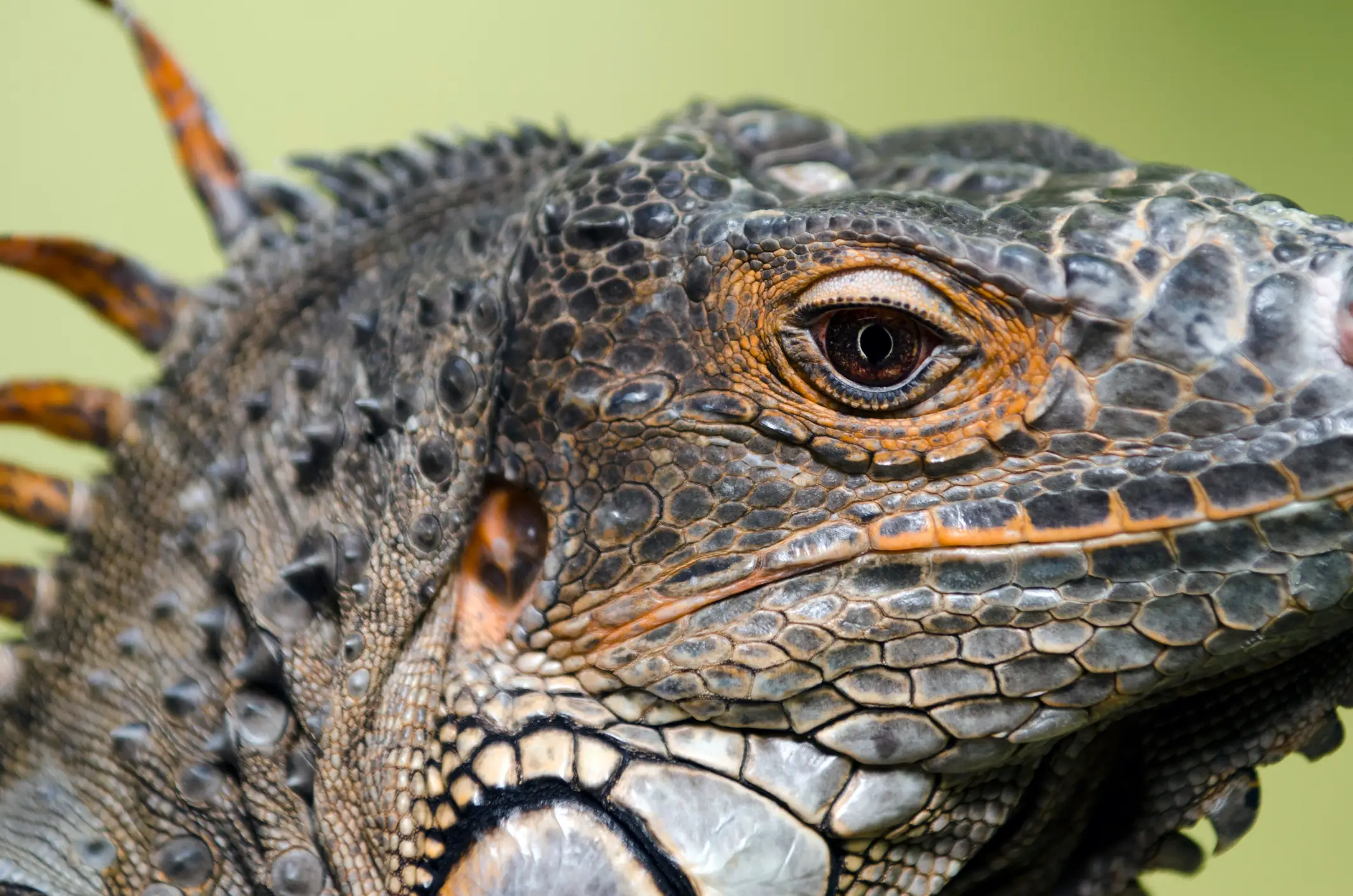
To understand it, it helps to look at the tuatara, a reptile native to New Zealand that has a functioning third eye on the top of its head. It's complete with a lens, a retina and nerve connections to the brain.
Advert
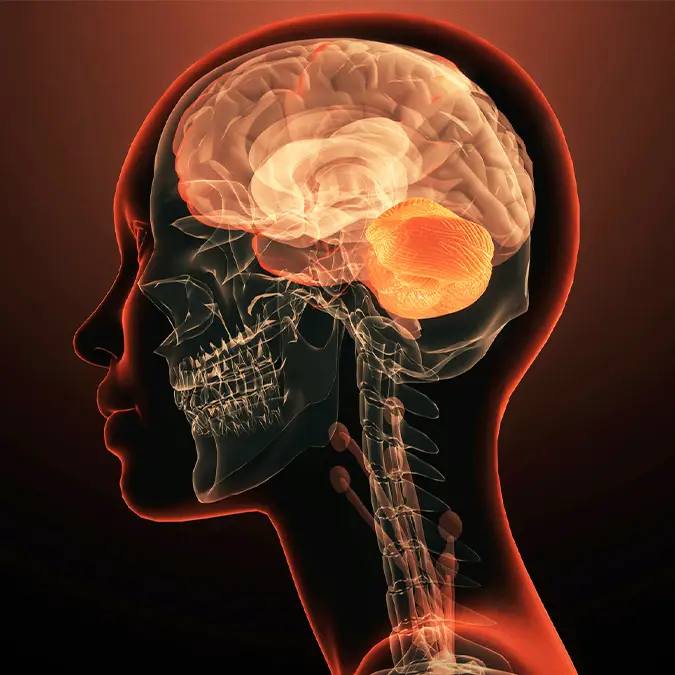
But the human version, called the pineal gland, sits deep within the brain. Despite it being cut off from direct sunlight, it plays a role in how the body responds to light and dark and influences our sleep patterns.
Now, Professor Thomas Baden, a neuroscientist at the University of Sussex and his team traced the origins of this structure back 575 million years.
At that point in evolutionary history, our ancestors were small, worm-like creatures grazing along the seafloor in shallow seas.
Like most bilateral animals, they almost certainly had two lateral eyes for navigation and a simpler median eye on top of their head for detecting light levels and keeping level.
The results, published in the journal Current Biology, revealed that the pre-vertebrate ancestors buried themselves in sediment and filter-fed on particles drifting past.
As they were underground, the lateral eyes became pretty much useless and were eventually lost.
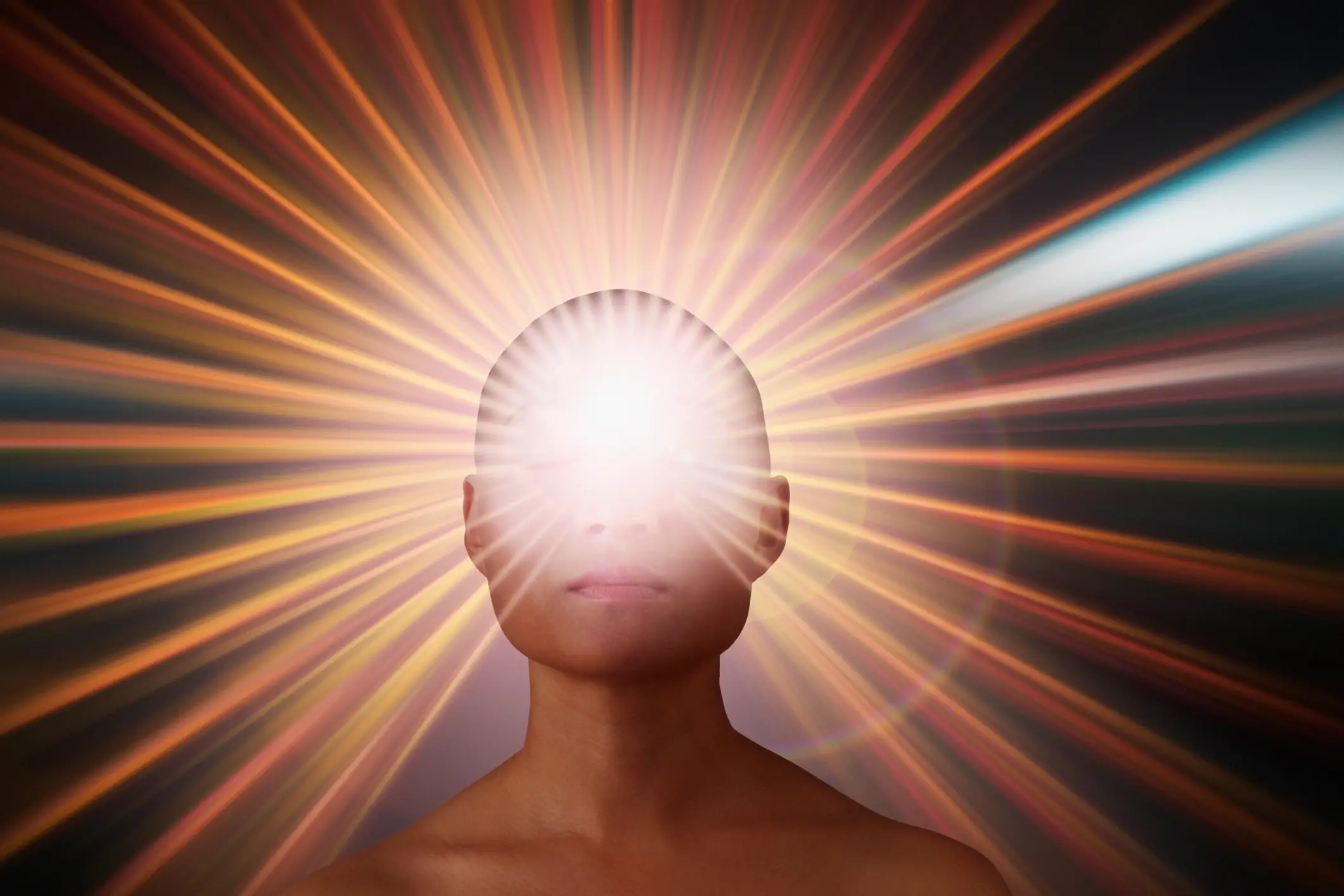
What remained was the patch of photoreceptors in the middle of the head that were still useful for distinguishing up from down and day from night, even in the dark of the seafloor.
“The need to know what time of day it is, or where is up and down if you're in deep water. That doesn't go away,” said Baden. “So, we speculate that that's when we lost the original side eyes, but we kept the original median eye, because that's what it's good for.”
Over millions of years, our ancestors evolved and left the burrowing phase. In response, our eyes were essentially re-created into the two-directional eyes we have today, the researchers noted.
But it was this burrowing phase that explains what we are left with, a different type of third eye.
In us mammals, the pineal gland lost the ability to detect light directly and now receives signals from the eyes via a relay.
“The thing on top of the head originally is not one eye; it's more like a series of sensors, multiple patches of photoreceptors,” said Prof Thomas Baden, a neuroscientist at the University of Sussex and co-author of the new study. "The retina predates the eye, if that makes sense. I always thought that was a cute tagline."
Our evolutionary history is still being uncovered, so many answers will undoubtedly raise more questions, but Baden is optimistic.
“The central testable bits that we've put forward – I think with some funding and a few years – you can get a yes-no answer,” he concluded.