uniladtech homepage
  • News
    • Tech News
    • AI
  • Gadgets
    • Apple
    • iPhone
  • Gaming
    • Playstation
    • Xbox
  • Science
    • News
    • Space
  • Streaming
    • Netflix
  • Vehicles
    • Car News
  • Social Media
    • WhatsApp
    • YouTube
  • Advertise
  • Terms
  • Privacy & Cookies
  • LADbible Group
  • LADbible
  • UNILAD
  • SPORTbible
  • GAMINGbible
  • Tyla
  • FOODbible
  • License Our Content
  • About Us & Contact
  • Jobs
  • Latest
  • Archive
  • Topics A-Z
  • Authors
Facebook
Instagram
X
TikTok
Snapchat
WhatsApp
Submit Your Content
UN warns 91% probability the earth will cross a major climate threshold by 2030
Home>Science>News
Published 10:43 29 May 2026 GMT+1

UN warns 91% probability the earth will cross a major climate threshold by 2030

Experts warn record-breaking temperatures and increasingly severe climate extremes could soon be the new normal

Rikki Loftus

Rikki Loftus

google discoverFollow us on Google Discover
Featured Image Credit: mesh cube/Getty Images
Climate change
Nasa
Science
World News
News

Advert

Advert

Advert

With concerns over an upcoming super El Niño growing, the United Nations has now issued a warning that there is a 91% probability the earth will cross a major climate threshold by 2030.

New findings from the World Meteorological Organization (WMO) suggests that Earth could be heading toward some of its hottest years ever recorded, with experts increasingly concerned that an emerging El Niño weather pattern may dramatically intensify global temperatures and extreme weather events.

Researchers say stronger El Niño events often fuel more destructive weather patterns around the world, including droughts, wildfires, storms and catastrophic flooding.

According to the agency’s annual update, there is now a very high probability that at least one year between 2026 and 2030 will become hotter than 2024, which currently holds the record as the warmest year in modern history.

Advert
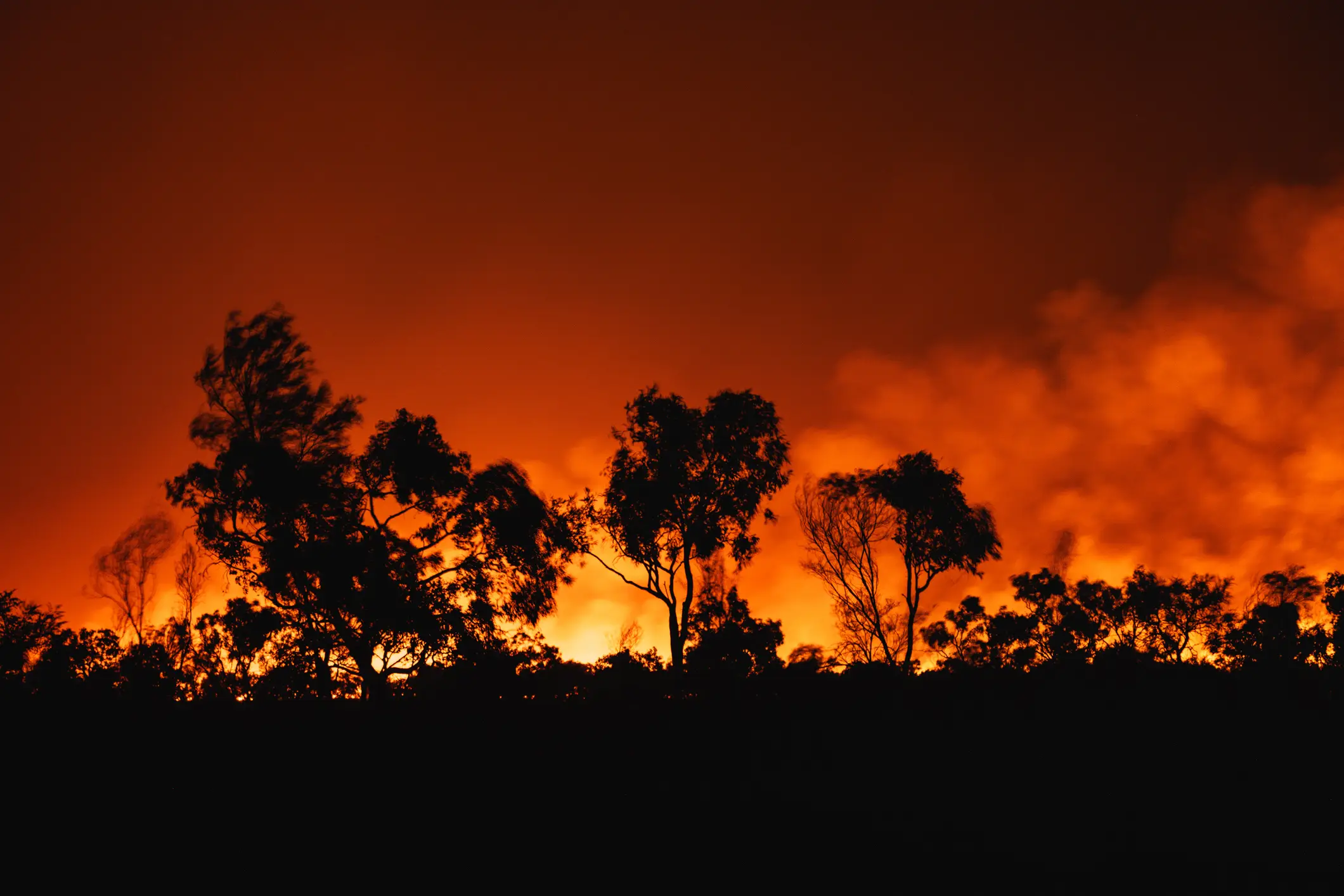
Experts are concerned that a new El Niño weather pattern may dramatically intensify global temperatures and extreme weather events (Abstract Aerial Art/Getty Images)

Scientists have also said that the return of a super El Niño could make 2027 a particularly dangerous year for global heat records.

Leon Hermanson, who is the lead author of the WMO report, said that the prediction of an El Niño for the second half of 2026 ‘increases the chances of the following year, 2027, being the next record-breaking year’.

Experts are warning the public that unless global emissions are drastically reduced in the coming years, record-breaking temperatures and increasingly severe climate extremes could soon become the new normal.

What is an El Niño?

An El Niño is a complex climate pattern involving the warming of sea surface temperatures in the central and eastern part of the Pacific Ocean.
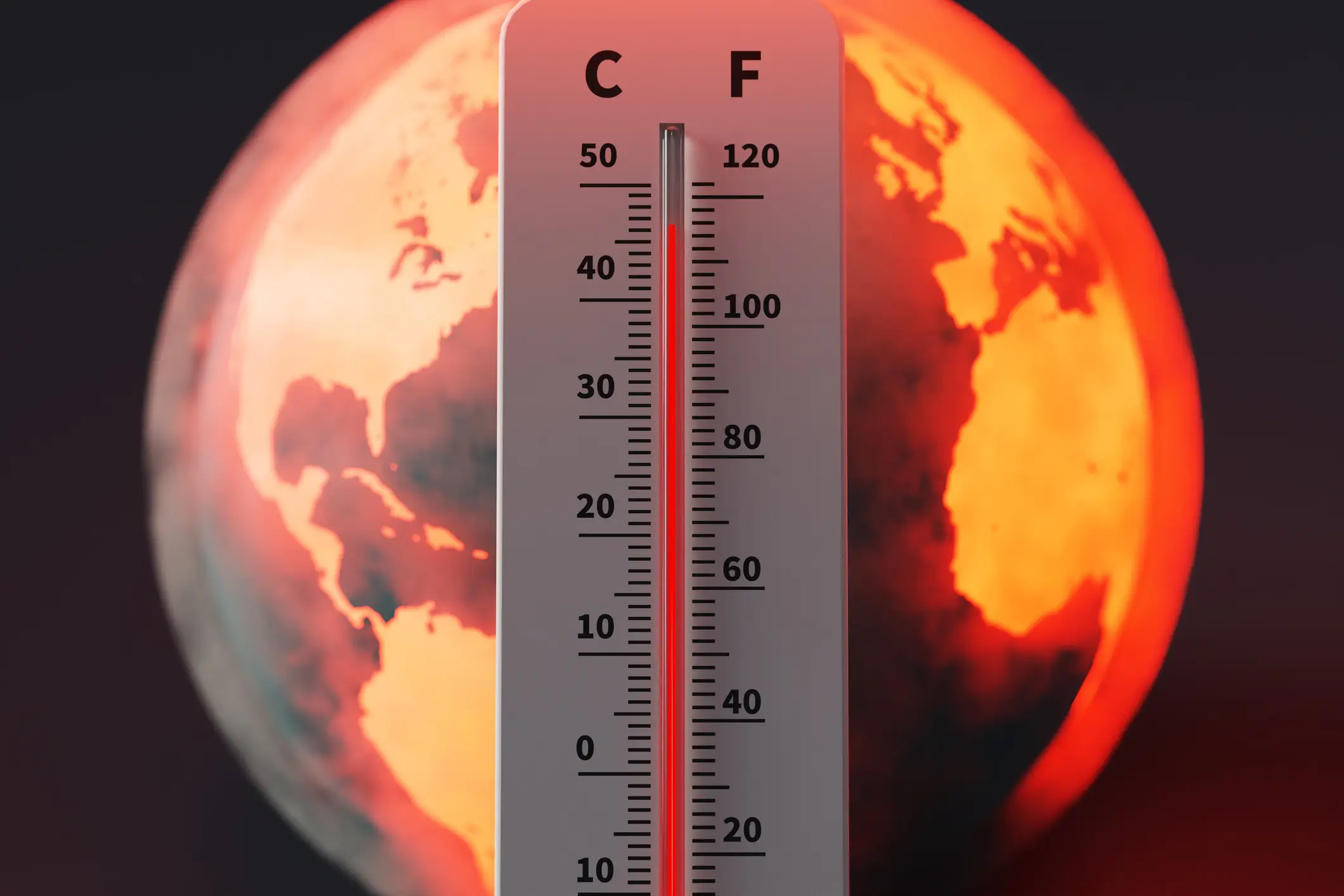
Experts warn record-breaking temperatures and increasingly severe climate extremes could soon be the new normal (mesh cube/Getty Images)

When this happens it leads to knock-on effects with weather globally, including the shifting of rainfall patterns, leading to floods and droughts in certain areas.

El Niños have been classified for over 500 years, with the name actually originating from a Spanish fisherman who likened the weather event to the birth of Jesus Christ, as it typically happened around Christmas.

NASA released 3D footage on the last ‘super El Niño’

The previous El Niño the world experienced was in 2015 and the footage is available to view thanks to NASA.

The clip was posted to YouTube, and in the video description, NASA explained: “Two back-to-back 3-D visualizations track the changes in ocean temperatures and currents, respectively, throughout the life cycle of the 2015-2016 El Niño event, chronicling its inception in early 2015 to its dissipation by April 2016. Blue regions represent colder and red regions warmer temperatures when compared with normal conditions.”

Choose your content:

2 days ago
  • NASA
    2 days ago

    NASA just built an AI tool that could save coastal towns up to $234 million a year

    Harmful algal blooms cost US economies millions of dollars every year

    Science
  • JRE Clips / YouTube
    2 days ago

    Joe Rogan leaves NASA astrophysicist stumped after asking question she 'can't answer'

    It's something that technically can't be explained with physics

    Science
  • @‌WhiteHouse / X
    2 days ago

    White House quietly dropped UFO footage after hijacking 'Aliens.gov' website

    Declassified videos are accompanied by a statement about immigration

    Science
  • NurPhoto / Contributor via Getty
    2 days ago

    Doctor warns of side effect of 'zebra striping' drinking trend that's supposed to avoid brutal hangovers

    When a pint of water before bed and two paracetamol just won't cut it

    Science
  • NASA data shows a giant El Niño wave will trigger a record-shattering global event by 2027
  • Major new UN report says the Amazon is about to enter a dangerous five-year dry spell
  • NASA released fascinating 3D footage of the last time the world experienced a 'super' El Nino
  • The new space race: Inside NASA’s $20B timeline to build a permanent Moon base by 2030