
uniladtech homepage
  • News
    • Tech News
    • AI
  • Gadgets
    • Apple
    • iPhone
  • Gaming
    • Playstation
    • Xbox
  • Science
    • News
    • Space
  • Streaming
    • Netflix
  • Vehicles
    • Car News
  • Social Media
    • WhatsApp
    • YouTube
  • Advertise
  • Terms
  • Privacy & Cookies
  • LADbible Group
  • LADbible
  • UNILAD
  • SPORTbible
  • GAMINGbible
  • Tyla
  • FOODbible
  • License Our Content
  • About Us & Contact
  • Jobs
  • Latest
  • Archive
  • Topics A-Z
  • Authors
Facebook
Instagram
X
TikTok
Snapchat
WhatsApp
Submit Your Content
Shocking research pinpoints exact amount of sleep that's 'cutting years off your life'

Home> Science> News

Published 10:29 14 Jan 2026 GMT

Shocking research pinpoints exact amount of sleep that's 'cutting years off your life'

You should definitely pay attention to how long you're asleep during the night

Harry Boulton

Harry Boulton

google discoverFollow us on Google Discover
Featured Image Credit: Oleg Breslavtsev / Getty
Science
Health
Discovery

Advert

Advert

Advert

Everybody knows that you need enough sleep to function, as having your rest cut short can really throw you the next day, yet some aren't aware of quite how impactful reducing your sleeping hours can have on your overall life expectancy.

You often hear that eight hours is the recommended amount of sleep you get every night, but between general life and various distractions or interruptions it can't always be easy to reach that fabled benchmark.

If you have to get up early in the morning for work you can find yourself shaving off a few hours in order to enjoy your evenings more, and often staying up beyond your typical bedtime will eat into your sleep the next day.

It's shocking quite how much this can affect your health though – especially when it comes to your long term life expectancy – as one new study suggests that getting a certain amount of sleep every night could literally be shaving years off your life.

Advert
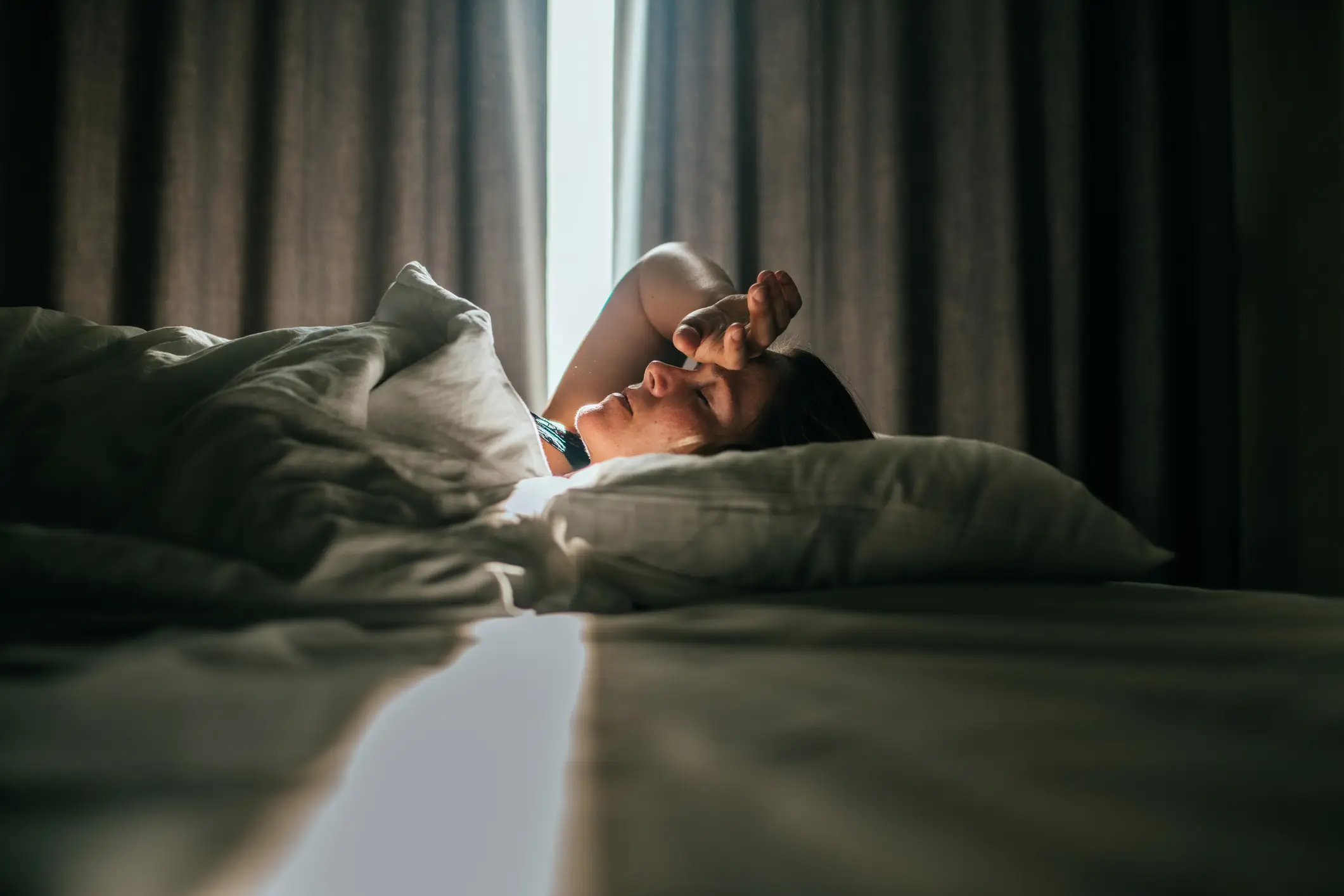
Not reaching a certain threshold of hours slept during the night can significantly affect your life expectancy (Getty Stock)

As shared by Cambridgeshire Live, new findings published in the Sleep Advances journal have indicated that the quality of your sleep could be even more impactful than previously thought.

Sleep duration, for example, was revealed to have a greater impact on your life expectancy than your diet, the amount that you exercise, and social isolation — with only smoking proving to be a more influential factor in your long-term health.

Contrary to popular belief, getting less than seven hours of sleep every night is going to have a quantifiable effect on your life expectancy, especially if it's repeated over time, so make sure you're meeting that threshold if you want to remain in tip top shape.

"I didn't expect it to be so strongly correlated to life expectancy," explained lead researcher Andrew McHill, adding that "we've always thought sleep is important, but this research really drives that point home: people should really strive to get seven to nine hours of sleep if at all possible."
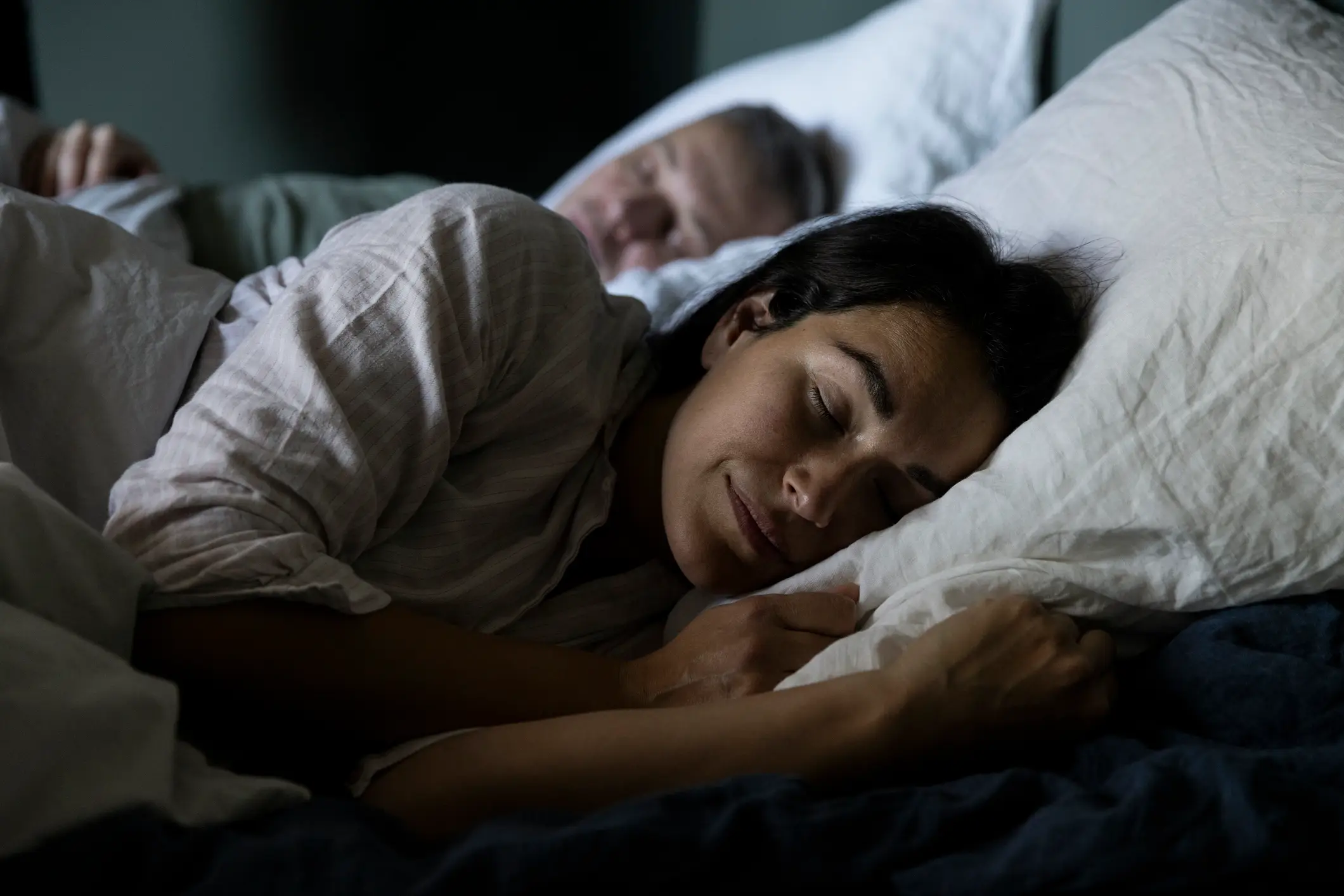
Researchers have revealed that getting less than seven hours of sleep each night can shave years off your life (Getty Stock)

This is specifically the case due to the link between your heart health, the function of your immune system, and general mental sharpness, and McHill insists that "this research shows that we need to prioritise sleep at least as much as we do to what we eat or how we exercise."

He adds that "sometimes we think of sleep as something we can set aside and maybe put off until later or on the weekend," but "getting a good night's sleep will improve how you feel but also how long you live."

Sleep unfortunately doesn't work like a bank that you can compensate for by increasing hours in subsequent nights, so ensuring that you reach that point whenever possible is vitally important and should prompt you to reconsider your routines if it's not a regularity in your current lifestyle.

Choose your content:

an hour ago
20 hours ago
  • Anadolu / Contributor via Getty
    an hour ago

    NASA under fire for 'unforgivable' Artemis 2 coverage as viewers notice awkward streaming glitch

    One of NASA's biggest moments was marred by a dodgy stream

    Science
  • Warner Bros.
    an hour ago

    Pornhub attempted to raise $3.4M to film extreme adult scene in space

    Putting the 'bang' in Big Bang

    Science
  • Joe Raedle / Staff via Getty
    20 hours ago

    NASA drops unexpected revelation about life on Mars before Artemis 2 launch

    NASA's administrator has made a bold claim

    Science
  • HUM Images/Universal Images Group via Getty Images
    20 hours ago

    Astronaut threatened to never return to Earth leading NASA to make life-saving change

    Astronaut Taylor Wang became desperate when his experiment failed

    Science
  • Archaeologists finally uncover location of Alexander the Great's ancient city after 2,000 years
  • Groundbreaking new research reveals group of people most at risk of colon cancer
  • Your body has 'hidden snooze button' that can send you into a deep sleep in minutes
  • Research uncovers eating this one food while you have cancer could increase risk of death by 60%