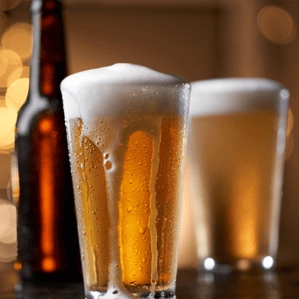
The science behind why beer tastes better ice cold


Sometimes, science answers the big questions, figuring out mysteries about our universe, or establishing fundamentals that inform medical breakthroughs for years to come.
Sometimes, though, it tells us why beer is tastiest when it's cold.
That's the question that researchers in China dedicated themselves to, and their results just got published as a paper.
It all hinges on the molecular properties of alcohol, apparently, and the concentration of ethanol-water mixtures that are at the heart of our favourite drinks.
Advert
The results of their tests confirmed that molecular clusters in ethanol-water mixes of different concentrations all experienced structural changes according to the percentage of ethanol included, and that these transitions changed how the beverage tasted at different temperatures.
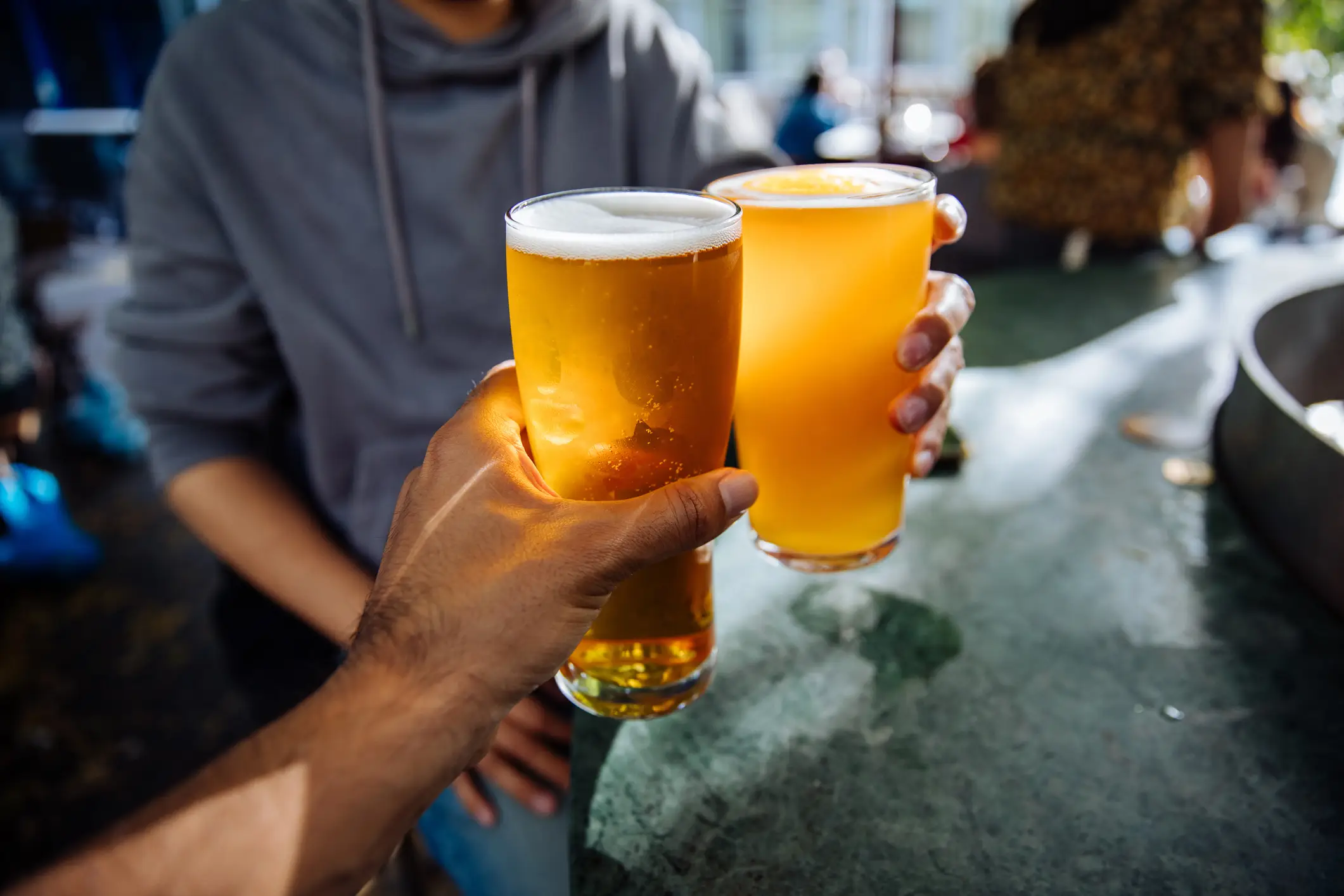
This led them to make a somewhat bullish claim in their statement about the paper: "Our work proves that the alcohol content distribution and proper drinking temperature for different alcoholic beverages are not based on experience, but on scientific explanations of molecular ethanol-water clusters in solutions"
In other words, liking warm beer potentially just stopped being a position you can defend intellectually - it might just be objectively wrong - for all that there will be people who lose their minds at the thought.
The results are probably most noteworthy for those who make alcoholic beverages to sell, though, with things centering on the use of the alcohol-by-volume (ABV) measurement that tells you how strong a drink is.
As the research team puts it: "The ABV distribution, considered the critical point for different tastes, is crucial for the alcoholic beverages industry".
At room temperature, they found that people could more easily tell the difference between beers with different ABV measures, whereas ice-cold chilled beers were apparently much more similar in flavor profile.
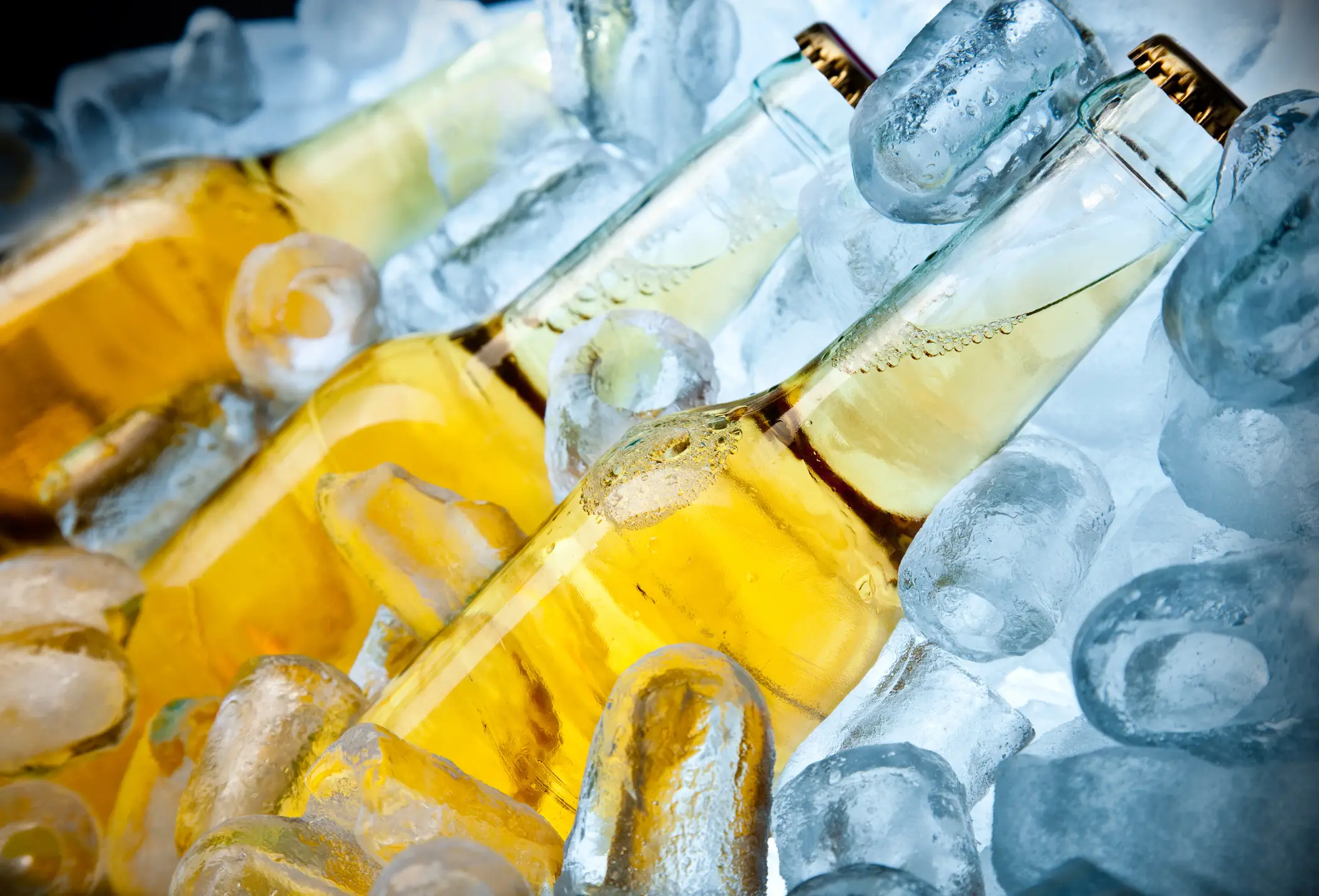
This could mean, for example, that big breweries could slightly lower the alcohol contents of their drinks without people ever actually realising it - and most people would agree (at least in theory) that a weaker beer which tastes exactly like a stronger one is probably a healthier choice.
So, this research might eventually result in more standardised alcoholic production lines, and indeed slightly weaker beers that taste equally great when cold.
Then again, it's also worth remembering that plenty of beer companies have been recommending ice-cold serving for ages, with some like Coors even embedding it in their entire advertising and brand identity by including temperature-sensitive labels that indicate when the beer is cold enough to serve.
The research team signed off by concluding: "For the alcoholic beverage industry, to maintain an ethanol-like taste with the lowest ethanol concentration at a certain range is a crucial issue", and it's hard to argue with that somewhat clunkily-worded idea.