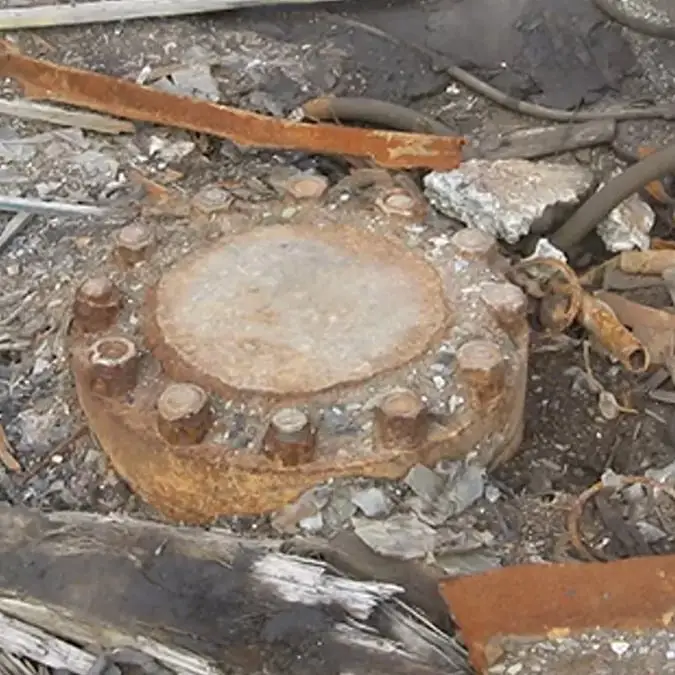
Concerning reason the world's deepest hole had to be sealed up


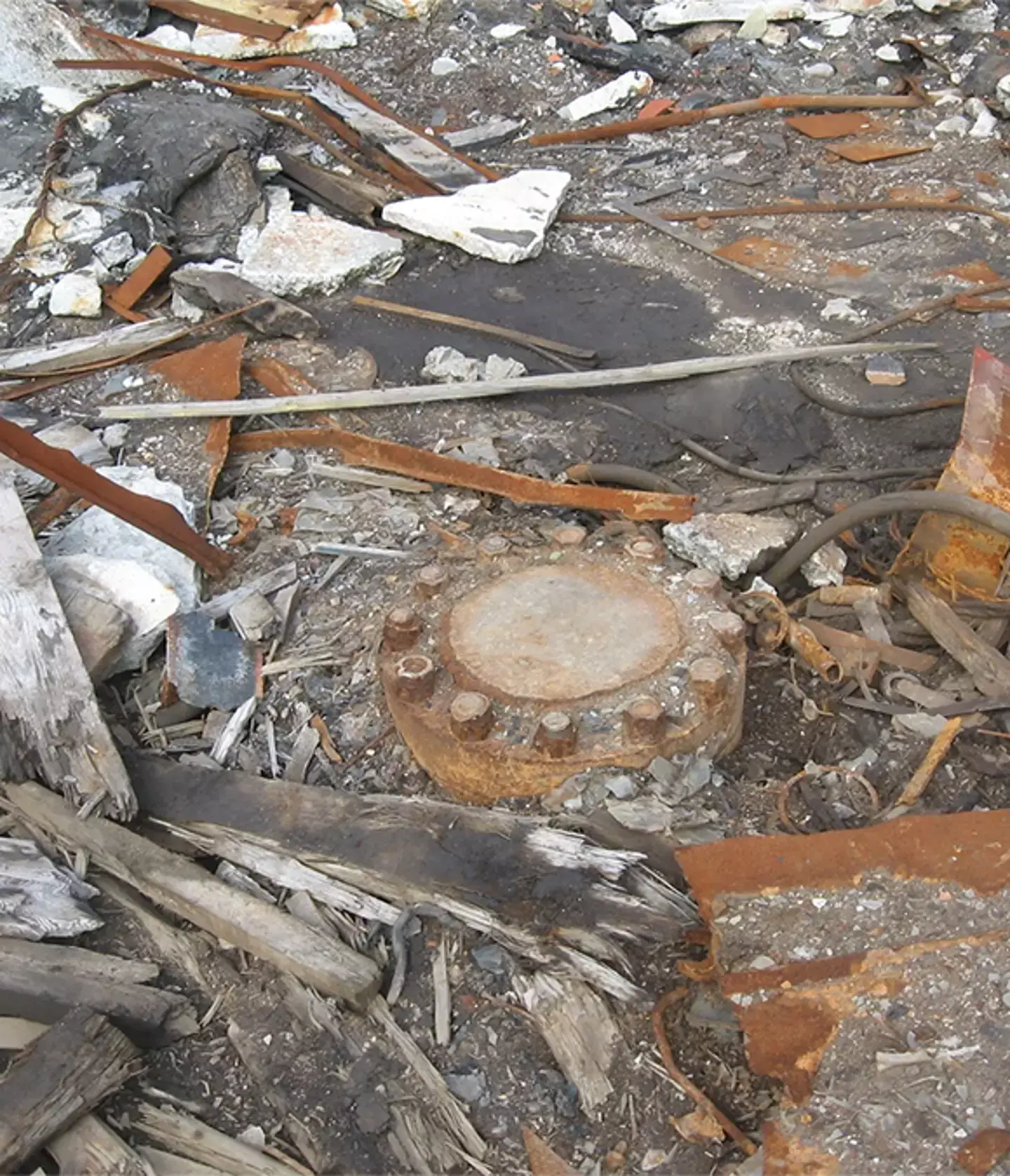
There is a very concerning reason why the deepest hole in the world had to be sealed up.
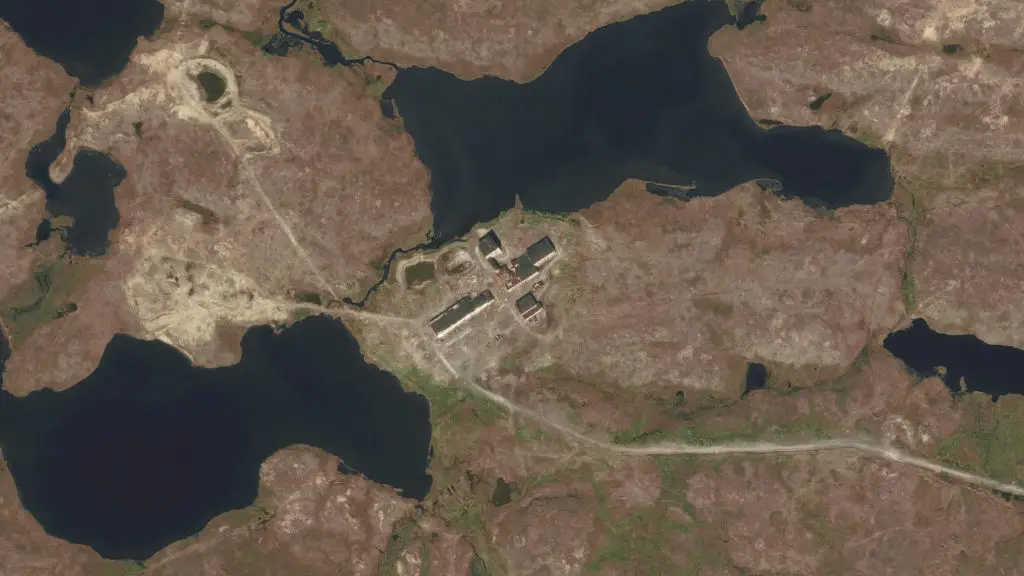
The hole is located in the Arctic Circle in Russia and is entirely man made.
Known as the Kola Superdeep Borehole, the hole is 40,230 feet deep.
Advert
It earned its nickname, ‘the entrance to hell’, because locals claimed that they could hear the screams of souls in hell coming from the hole.
And while it took a whopping 20 years to drill the enormous hole, it ended up needing to be sealed shut.
For context, the hole is so large that its depth equals the combined height of Mount Everest and Mount Fuji.
Despite this though, it only reaches about a third of the way through the Earth’s crust.
Temperatures inside the hole can reach up to a boiling 180 degrees Celsius (356 Fahrenheit).
In 1950, the US began their project to try to get as deep as the Earth’s mantle, before Soviets followed suit in 1970, followed by Germans in 1990.
Uli Harms of the International Continental Scientific Drilling Program reflected on his time as a young scientist working on the Kola borehole’s German rival, saying: “When the Russians started to drill they claimed they had found free water - and that was simply not believed by most scientists.
“There used to be common understanding among Western scientists that the crust was so dense 5km down that water could not permeate through it.”
However, the Kola borehole project has since been sealed off for various reasons, including safety violations, environmental concerns and financial constraints. No chance of falling in now.
The hole was dug with vertical drilling systems to maintain a straight path with minimal chance of bends.
But in the final stretch, the hole deviated 200 meters from its vertical path and getting the necessary equipment caused several delays to the expedition.
Ultimately, the project failed to reach the desired depth of 10 km within the given time, according to Harms.
Drilling ceased in 1992 when temperatures were reported to be twice as expected.
This meant that the drilling equipment could not cope with the heat, requiring further costs and tools and of course, delays.
Furthermore, the extremely high costs of the repeated expeditions made it difficult to continue working regularly.
Eventually, after the collapse of the Soviet Union, there was no money to fund such ambitious projects, and the facility officially closed in 1995.
The desolate site now attracts adventurous tourists who wish to see the remnants of this unique project.