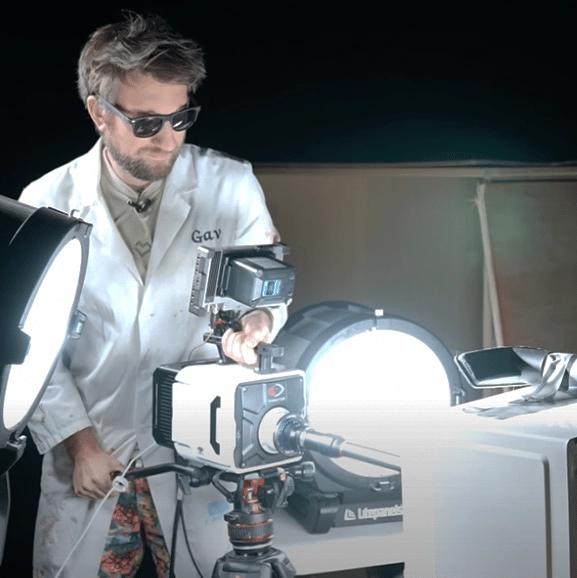
Incredible video shows inside a microwave at 80,000 FPS and what happens when a CD is put in


YouTubers The Slow Mo Guys have been showcasing cool experiments and physics with extreme slow-motion cameras for years now, and they never fail to impress.
From the speed of light to old Nintendo zappers - they've filmed it all.
Just when you think there's not more they could possible cover, they manage to prove viewers wrong - And one video that got everyone talking was one that takes us inside a microwave for the first time.
They put CDs in the microwave and filmed it at a variety of frame rates, getting down to a crazy 80,000 frames per second (FPS).
Advert
Now, we know what you're thinking - That can't be a good idea.
Well, you're right, so it's lucky for viewers that they're seasoned professionals when it comes to this stuff.
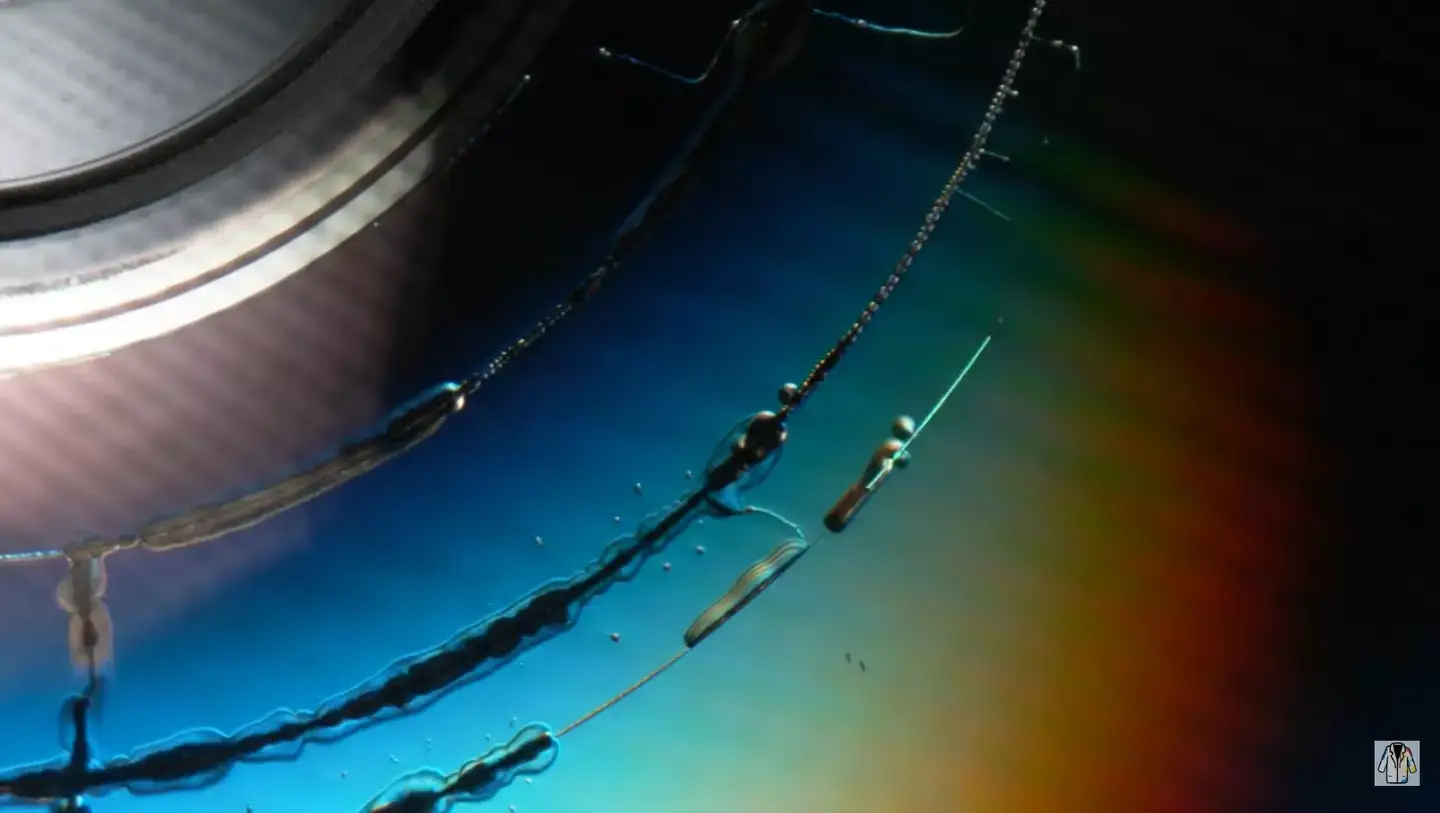
The moment the microwave turns on, you get to see a pretty stupendous light show as electricity fizzles around each CD's surface.
The guys compare it to almost like watching the light bikes from Tron zip around on the CD, as they rapidly map out a network of interconnected lines.
They then swap to the 80,000 FPS recording, and some of the close-ups are jaw-dropping, with really cool light patterns and sparks flying. Like special effects in real life.
It's not surprise that when these CDs come back out, they're absolutely messed up, we're talking half-melted and certainly unusable.
To close the video out they move on to put an egg in the microwave, another famous 'don't try this at home' step - it rapidly explodes, doing some proper damage to the microwave in the process.
The mess left behind by that egg doesn't look like any fun at all to clean up, so don't think about trying this at home.
Still, getting to see the egg's surface split and explode at 10,000 FPS is a treat that only gets one-upped when they swap back to 80,000 FPS - which gives you get a pretty epic view of it exploding into tiny pieces.
If this sounds like a bit of you, be sure to check out The Slow Mo Guys' whole YouTube channel - there's a massive archive of different crazy slow-mo shots to discover.
Anything you're curious about, they've probably covered.