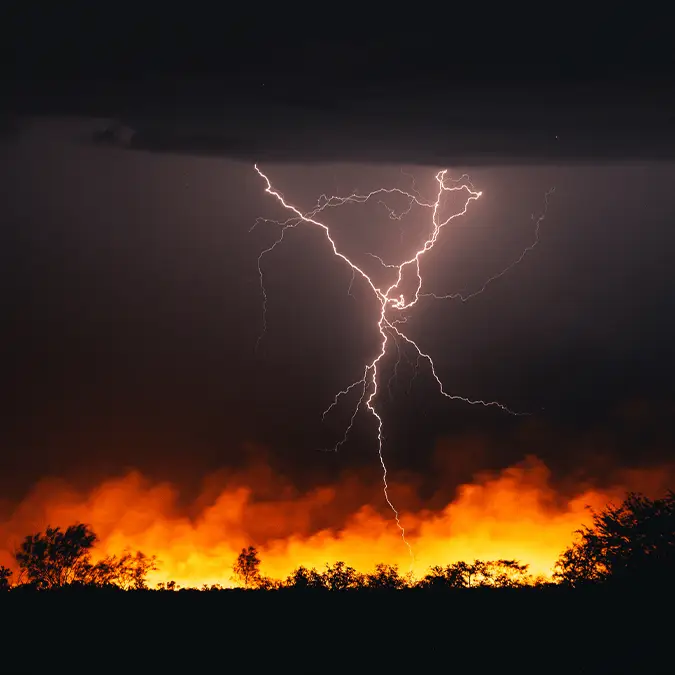
5 major US cities on alert as dangerous 'ring of fire' weather pattern starts this week


A volatile stretch of weather is bearing down on parts of the United States this week.
Over the past few weeks, meteorologists and scientists warned of concerning data trends which pointed to a new super El Niño.
The event results from a natural rise in Pacific Ocean temperatures, which typically causes weather extremes across the globe.
While many associate El Niño with a broad rise in temperatures, the picture across America shows certain regions set to bear the brunt of powerful storms alongside the potential threat of an internet blackout.
Advert
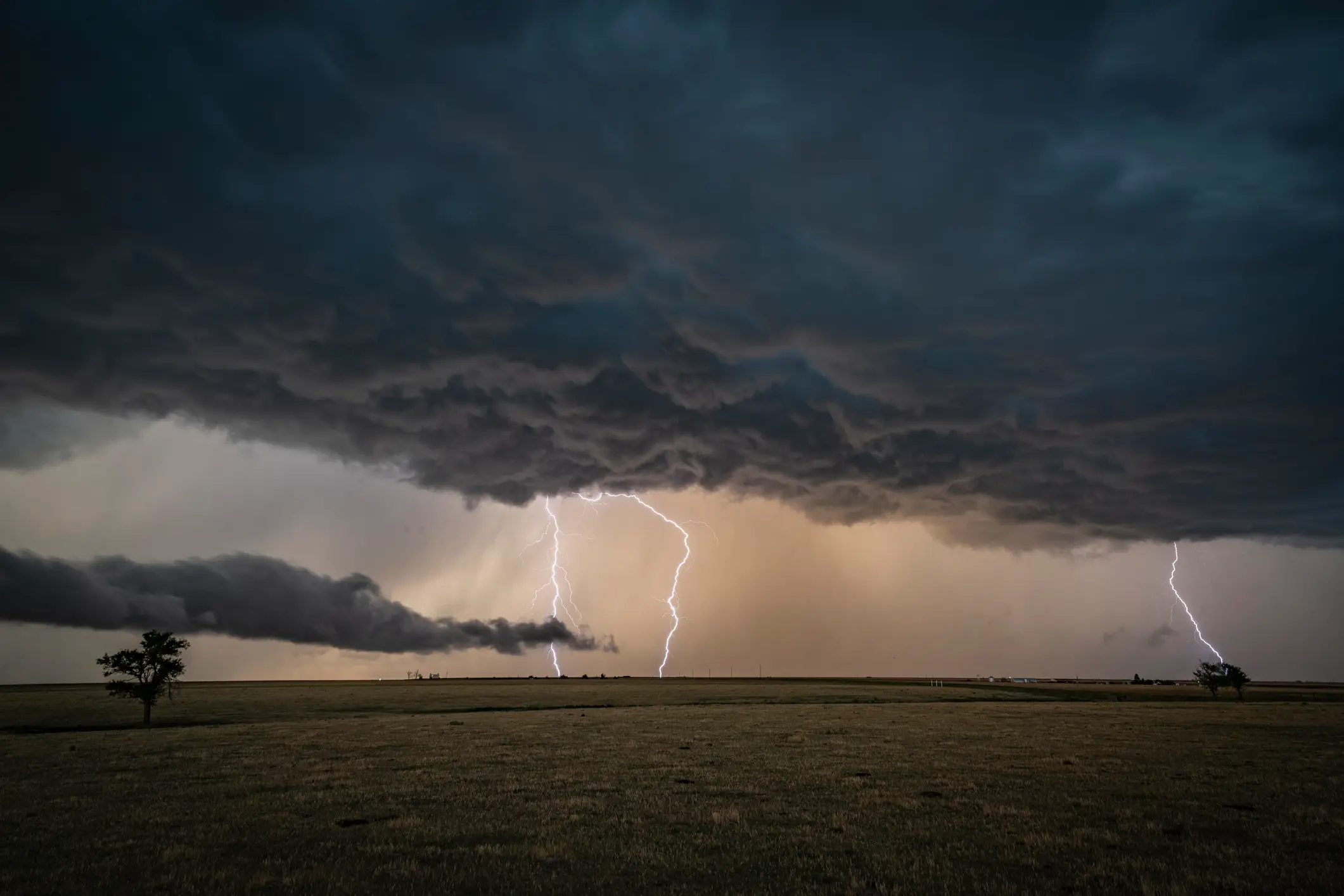
Now, meteorologists are warning of a so-called 'Ring of Fire' - a phenomenon that forms along the edge of a heat dome where cool air collides with intense heat, creating powerful thunderstorms.
According to AccuWeather, the pattern forms because the centre of the high-pressure system tends to suppress storm activity, pushing thunderstorms toward the weaker outer edges. The circulation around the high then causes clusters of storms to drift clockwise.
The storm corridor is expected to take shape on Monday (29 June) before tracking eastward through the week.
Speaking to the Daily Mail (via the Daily Express), AccuWeather's senior meteorologist Chad Merrill said: “[The] Ring of Fire refers to the arc of instability along the periphery of the high pressure in which you have the best opportunity for thunderstorm development.”
Detroit, Philadelphia, Washington, D.C., Richmond (Virginia), and New York City have been identified as the areas at greatest risk of thunderstorms and high winds, with the threat moving from the Upper Midwest through the Great Lakes before hitting the Northeast and Mid-Atlantic by Thursday.
“Typically, under these heat domes, there's little in the way of air circulation,” Merrill explained. “What you tend to see is the potential for air quality alerts to develop, especially in urban areas, so we could see some poor air quality develop next week.”
Towards the South, some storm clusters may track over the warm waters of the southern Atlantic and Gulf coasts, potentially resulting in a tropical depression or tropical storm before the week is out, AccuWeather wrote.
Residents in affected areas are being urged to limit time outdoors during the hottest parts of the day and stay alert to rapidly changing conditions. Wider risks include power outages and heat exhaustion, particularly for those without air conditioning, Merrill noted.
“There is a risk for people who go to the cooling centres and then go back home to suffer from some sort of heat-related illness even in the evening,” Merrill warned.