FBI warns iPhone and Android users 'don't trust caller ID' as dangerous scam rises


The number of scam calls that are capable of spoofing recognizable numbers is increasing according to the FBI, as the security service is advising iPhone and Android users to avoid trusting caller ID in every scenario.
Cybersecurity scams are becoming more complex as the years go on, with hackers able to exploit stolen Google Maps data to demand money alongside difficult-to-spot 'quishing' attempts that exploit QR codes out in the wild.
While phone call scams seemed like a thing of the past that many were far too aware of, they've been slowly creeping back into fashion thanks to new technology that allows fraudsters to spoof numbers that you may otherwise trust.
As reported by Forbes, the FBI has urged smartphone users to be wary of 'phantom hacker' scams that rely on spoofed calls from your bank, asking you to transfer money to stop it from being stolen by a hacker that doesn't even exist.
Advert
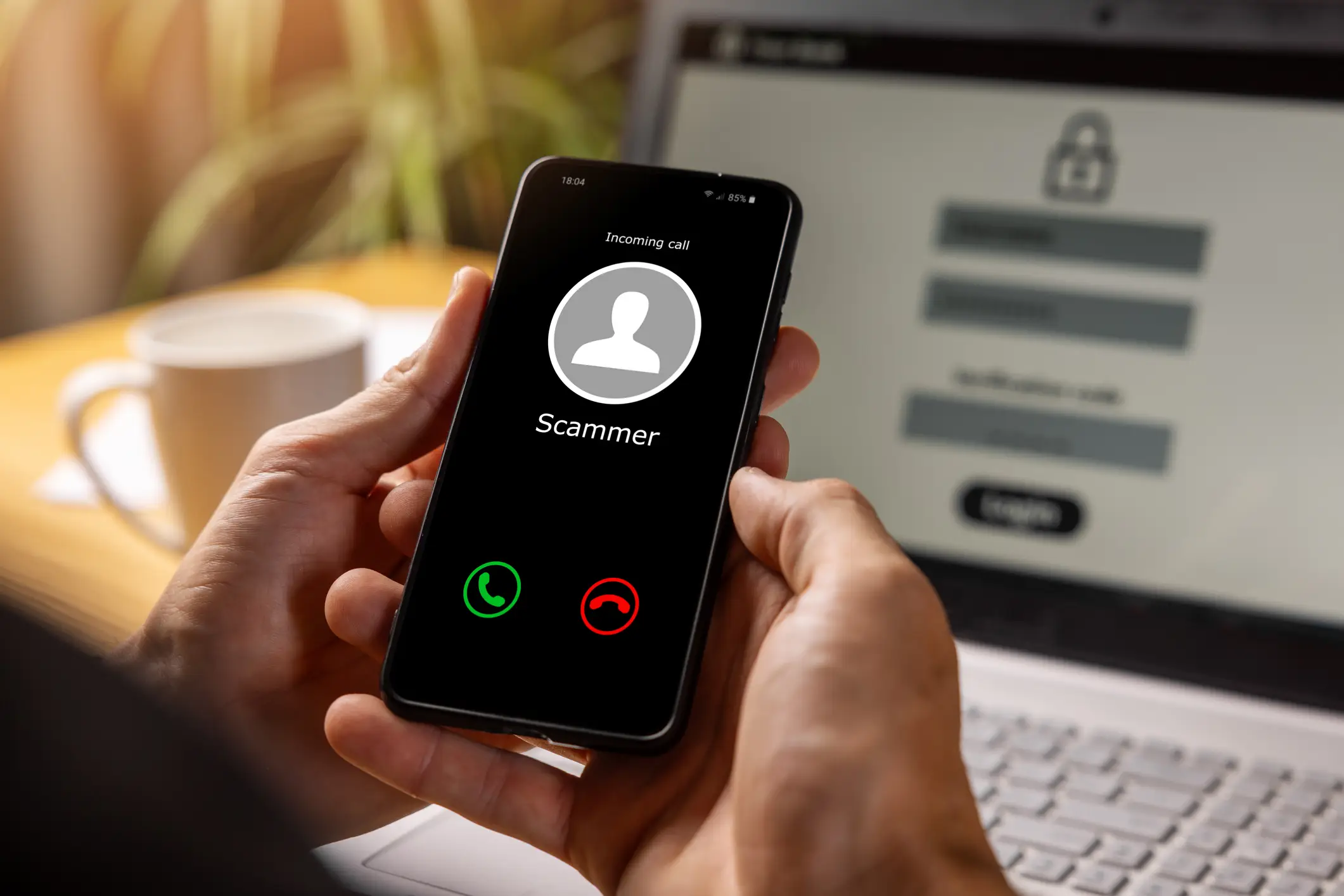
The most dangerous thing about these scams is that they're near impossible to spot until you're on the call itself, as the number will be presented as something that you can search and verify as authentic, even though it's very much not.
It's got so difficult to spot that even experts are falling prey to scams like this, as hacking aficionado Zach Latta revealed on his GitHub:
"Someone just tried the most sophisticated phishing attack I've ever seen," Latta explains. "I almost fell for it. My mind is a little blown."
He outlines that he received a call where the ID recognized it as 'Google', and the person on the other end sounded "like a real engineer" with an American accent.
He was told that someone had recently gained access to his account, and confirmed it with what was imperceivably an official Google email. They even assured Zach that he could call back with an officially listed number - although there would be a wait, so he mistakenly stayed on the call.
Going through a lengthy process, it got to the point where he was sent what was quite obviously a "super scammy 2 factor text code," at which point the extortionist hung up. However, it shows how intelligent these scams have become that they're able to almost fool someone as knowledgeable as Latta, even after he's followed multiple 'best practices' for dealing with these tricks.
"Literally 1 button press from being completely owned," Latta outlines, "And I'm pretty technical!"
This led to a statement from Google confirming that it won't proactively contact users to resolve technical issues, and similar actions have been taken by the Bank of America after scammers have spoofed their numbers to target customers.
The best thing you can seemingly do then is to follow the aforementioned 'best practices', confirming that who you're speaking to is actually who they say they are.
These involve verifying the number and getting them to send an email from an official domain - although oftentimes the best thing you can simply do is hang up the phone and call the number directly listed on the company's website in order to double check.
Thankfully some phone companies are taking measures to waste the time of fraudsters by employing 'AI grannies' on the other end of the line, but you can never be too careful if you ever receive a phone call out of the blue yourself.